

Hearing a ringing, buzzing, humming, or whistling sound when there is no external source can be frustrating and disruptive. This condition, known as tinnitus, may affect concentration, sleep, emotional well-being, and overall quality of life. For some people, the sound comes and goes, while others experience it continuously.
Although there is no single treatment that works for everyone, different management approaches may help reduce the impact of these unwanted sounds. Acupuncture is one complementary therapy that some individuals explore as part of a broader care plan.
What Causes Ringing in the Ears?

Tinnitus is not a disease itself but a symptom that can be associated with different underlying conditions. The perceived sound may occur in one ear, both ears, or feel as though it is coming from inside the head.
Possible contributing factors include:
- Exposure to loud noises
- Age-related hearing changes
- Earwax blockage
- Ear or sinus problems
- Certain medications
- Stress and anxiety
- Head or neck injuries
- Jaw-related problems
- Changes involving the auditory system
Because there are many possible causes, proper assessment is important before choosing a management approach. New, sudden, one-sided or pulsating symptoms, especially when accompanied by hearing loss, dizziness or neurological symptoms, should be medically evaluated promptly.
Although there is no single treatment that works for everyone, different management approaches may help reduce the impact of these unwanted sounds. Acupuncture is one complementary therapy that some individuals explore as part of a broader care plan.
How Can Acupuncture Be Part of Management?
Acupuncture is a practice originating from Traditional Chinese Medicine in which trained practitioners stimulate selected points on the body using very fine needles.
People living with tinnitus sometimes explore acupuncture because the condition may occur alongside stress, poor sleep, neck tension or other forms of physical discomfort. Treatment is generally personalised according to an individual’s symptoms, health history and assessment rather than following exactly the same approach for every person.
Research into acupuncture for this condition is still developing. Some studies have reported improvements in symptom-related scores or quality-of-life measures, while systematic reviews have also highlighted limitations in study quality and the need for stronger clinical evidence. Therefore, acupuncture should be considered a complementary management option rather than a guaranteed cure.
1. Supporting Relaxation and Stress Management
Stress can influence how strongly a person notices tinnitus. When the body is tense or the mind is constantly focused on the sound, the symptoms may feel more intrusive.
Acupuncture sessions are often associated with a calm and relaxing treatment environment. For individuals whose symptoms become more noticeable during stressful periods, incorporating relaxation strategies into their overall management plan may be helpful.
Other useful habits may include breathing exercises, gentle physical activity, mindfulness and maintaining a consistent daily routine.
2. Supporting Better Sleep
Night-time can be particularly challenging because quiet surroundings can make tinnitus seem more noticeable. Difficulty falling asleep may then lead to fatigue, irritability and reduced concentration during the day.
Acupuncture may be considered alongside healthy sleep practices. Maintaining regular sleeping hours, limiting caffeine late in the day, reducing screen exposure before bed and using gentle background sounds may make the sleeping environment more comfortable.
The objective is not simply to focus on the ear sound but to improve factors that may affect overall quality of life.

3. Addressing Neck and Shoulder Tension
Some individuals experience ringing in the ears together with tightness around the neck, shoulders or jaw. Long hours at a computer, poor posture, stress and muscle tension may contribute to physical discomfort.
During an assessment, an acupuncture practitioner may consider these accompanying symptoms when planning care for someone experiencing tinnitus.
Addressing musculoskeletal discomfort does not necessarily remove the underlying ear-related symptom, but improving physical comfort may help individuals feel more relaxed and better able to manage their daily activities.
4. A Personalised Acupuncture Approach
One of the important characteristics of acupuncture is that treatment can be adapted according to the individual.
Two people experiencing tinnitus may have very different health backgrounds and accompanying symptoms. A practitioner may therefore ask about sleeping patterns, stress levels, headaches, neck discomfort, digestion, lifestyle and general health before developing a treatment plan.
At Iswanah Acupuncture, care begins with an assessment so that the practitioner can better understand the individual’s needs before recommending an appropriate approach.
For more information about acupuncture services and available locations, visit Iswanah Acupuncture.
5. Supporting Overall Well-Being
Living with tinnitus can sometimes affect more than hearing. Constant unwanted sounds may interfere with work, conversations, rest and social activities.
This is why management often requires a broader approach. Acupuncture may form one part of a wellness plan that also includes medical assessment, hearing evaluation when appropriate, stress management, healthy sleep and lifestyle adjustments.
Taking care of general physical and emotional well-being can make it easier to cope with persistent symptoms.
6. Combining Acupuncture With Appropriate Medical Care For Tinnitus
Acupuncture should not replace necessary medical evaluation. People with persistent or worsening tinnitus should consider consulting an appropriate healthcare professional to investigate possible underlying causes.
A healthcare professional may recommend hearing tests, medication reviews or further examinations depending on the symptoms.
According to the National Center for Complementary and Integrative Health (NCCIH), acupuncture involves stimulating specific points on the body, most commonly through the insertion of thin needles. Research suggests acupuncture may influence nervous-system function, although its mechanisms are not completely understood.
A combined approach allows individuals to explore complementary care while still receiving appropriate medical assessment.
7. Building Healthy Daily Habits
Managing tinnitus is often an ongoing process rather than a one-session solution. Small lifestyle changes may help individuals manage how strongly the symptoms affect everyday life.
Consider protecting your ears from excessive noise, managing stress, maintaining regular sleep, exercising appropriately and avoiding prolonged exposure to very loud environments.
Some people also find gentle background sounds useful, particularly when trying to sleep or concentrate in a quiet room.
Is Acupuncture Suitable for Everyone?
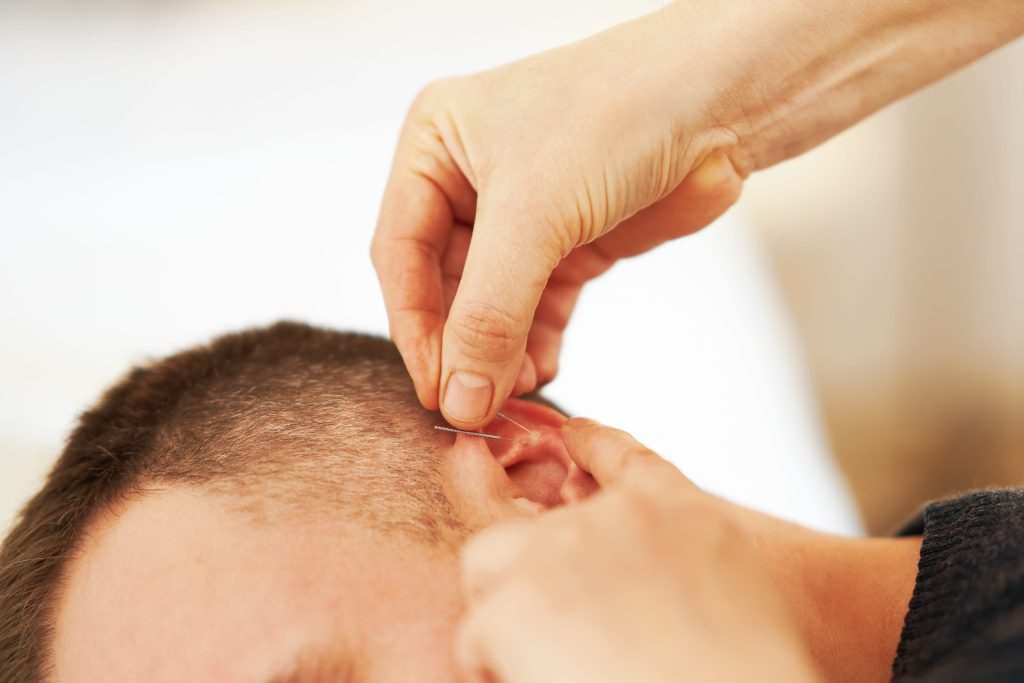
Acupuncture may be considered by individuals looking for a complementary approach to managing their symptoms. However, suitability depends on medical history, current health conditions and individual needs.
Research findings remain mixed. Some studies have reported positive changes in symptom-related measures, while reviews have noted that the overall quality of evidence remains limited. Therefore, treatment results can vary significantly between individuals.
A qualified practitioner should assess your condition before beginning treatment.
Start Your Journey With Iswanah Acupuncture
Living with tinnitus can affect sleep, concentration and everyday comfort, but there are different ways to manage its impact.
At Iswanah Acupuncture, treatment plans are personalized according to each individual’s needs and assessment. Acupuncture may be explored as part of a broader approach that supports relaxation, physical comfort and general well-being.
If ringing, buzzing or other unwanted sounds are affecting your daily activities, consider getting an appropriate medical assessment and discussing whether complementary acupuncture care may be suitable for you.