

Introduction
In today’s fast-paced world, many people find themselves constantly juggling work responsibilities, family commitments, financial concerns, and personal challenges. While occasional stress is a normal part of life, prolonged or unmanaged stress can have a significant impact on both physical and mental health. This is why stress management has become an essential aspect of maintaining overall well-being.
Millions of people experience symptoms related to chronic stress every day. These symptoms may include headaches, muscle tension, fatigue, poor concentration, anxiety, digestive problems, insomnia, and even weakened immunity. Without proper intervention, ongoing stress can increase the risk of developing more serious health conditions such as hypertension, heart disease, depression, and chronic pain.
Fortunately, there are many effective ways to manage stress naturally. Alongside healthy lifestyle habits, acupuncture has gained recognition as a safe, non-invasive, and holistic treatment that supports the body’s natural healing mechanisms. For centuries, acupuncture has been used to promote relaxation, improve circulation, regulate the nervous system, and restore the body’s internal balance.
For individuals seeking a natural approach to stress management, acupuncture offers a personalized treatment that addresses not only the symptoms but also the underlying imbalances contributing to stress. Rather than simply masking discomfort, acupuncture works to encourage the body’s own healing response, helping patients feel calmer, more energized, and emotionally balanced.
This comprehensive guide explains how stress affects the body, common symptoms, risk factors, and how acupuncture can become an effective part of your wellness journey.
Understanding Stress

Stress is the body’s natural response to any demand or challenge. When faced with a stressful situation, the brain activates the “fight-or-flight” response, releasing hormones such as adrenaline and cortisol.
In short-term situations, this response is beneficial because it helps us react quickly to danger or difficult circumstances. However, when stress becomes constant, these hormones remain elevated for prolonged periods, placing excessive strain on multiple body systems.
Effective stress management aims to reduce these harmful effects while helping individuals develop healthier coping strategies.
Common Causes of Chronic Stress
Many factors contribute to ongoing stress. While every individual’s experience is different, some of the most common causes include:
i – Workplace Pressure
Long working hours, unrealistic deadlines, heavy workloads, job insecurity, and workplace conflicts are major contributors to chronic stress.
ii – Financial Difficulties
Managing debts, rising living expenses, unexpected emergencies, or unstable income can create continuous emotional pressure.
iii – Family Responsibilities
Caring for children, elderly parents, relationship conflicts, and balancing family commitments often become overwhelming.
iv – Health Problems
Living with chronic pain, long-term illnesses, or recovering from surgery may increase emotional stress.
v – Lack of Sleep
Poor sleep quality makes the body less capable of handling daily challenges, creating a cycle where stress worsens sleep, and poor sleep increases stress.
vii – Major Life Changes
Moving homes, changing careers, divorce, loss of a loved one, or becoming a new parent can all trigger significant emotional strain.
Learning healthy stress management techniques early can reduce the long-term impact of these challenges.
Symptoms of Chronic Stress

Stress affects every individual differently. Some symptoms develop gradually and may be mistaken for other health conditions.
Physical Symptoms
- Frequent headaches
- Neck stiffness
- Shoulder pain
- Back pain
- Jaw tightness
- Muscle tension
- Fatigue
- Digestive discomfort
- Increased heart rate
- Chest tightness
- Dizziness
- Excessive sweating
Emotional Symptoms
- Anxiety
- Irritability
- Mood swings
- Feeling overwhelmed
- Low motivation
- Depression
- Constant worrying
Cognitive Symptoms
- Poor concentration
- Forgetfulness
- Brain fog
- Difficulty making decisions
- Reduced productivity
Behavioral Symptoms
- Sleeping too much or too little
- Emotional eating
- Loss of appetite
- Social withdrawal
- Increased alcohol consumption
- Smoking more frequently
Recognizing these warning signs early allows individuals to begin appropriate stress management before symptoms become more severe.
How Chronic Stress Affects the Body
When stress continues for weeks or months, nearly every organ system is affected.
Nervous System
The sympathetic nervous system remains overactive, keeping the body in a constant state of alertness.
Musculoskeletal System
Muscles remain tense for extended periods, contributing to:
- Neck pain
- Shoulder stiffness
- Tension headaches
- Lower back pain
Musculoskeletal System
Muscles remain tense for extended periods, contributing to:
- Neck pain
- Shoulder stiffness
- Tension headaches
- Lower back pain
Cardiovascular System
Long-term stress may contribute to:
- High blood pressure
- Increased heart rate
- Greater cardiovascular risk
Digestive System
Stress commonly causes:
- Bloating
- Gastric discomfort
- Acid reflux
- Irritable bowel symptoms
- Appetite changes
Immune System
Persistent stress weakens immune function, making individuals more susceptible to infections and slower recovery.
These widespread effects highlight why proper this sutiation is important for both physical and emotional health.
Why Natural Stress Relief Is Becoming More Popular
Many individuals prefer natural therapies because they aim to improve overall wellness rather than simply suppress symptoms.
Natural approaches often include:
- Acupuncture
- Exercise
- Meditation
- Yoga
- Deep breathing
- Healthy nutrition
- Better sleep habits
Among these options, acupuncture has become increasingly popular because it complements conventional healthcare while supporting long-term stress management.
How Acupuncture Supports Stress Relief
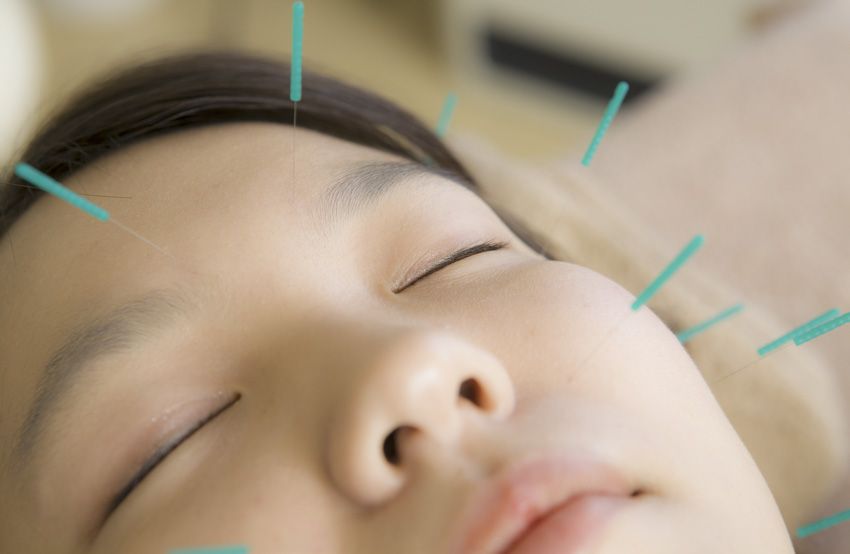
According to Traditional Chinese Medicine (TCM), stress may disrupt the smooth flow of Qi (vital energy) throughout the body. When Qi becomes blocked or unbalanced, physical discomfort and emotional distress may occur.
Acupuncture has been practiced for thousands of years as part of Traditional Chinese Medicine (TCM). While it originated from ancient medical principles, modern research has also explored its physiological effects on the nervous system, hormones, and overall health.
Many healthcare professionals now recognize acupuncture as a complementary therapy that may help reduce stress-related symptoms when combined with healthy lifestyle habits and appropriate medical care. For individuals looking for a natural approach to this problem, acupuncture provides a holistic option that focuses on restoring balance throughout the body.
Acupuncture involves inserting very fine, sterile needles into carefully selected acupuncture points. These points are believed to restore balance within the body while promoting natural healing.
Modern scientific research suggests acupuncture may also influence the nervous system by stimulating the release of endorphins, regulating neurotransmitters, improving blood circulation, and encouraging relaxation.
As a result, acupuncture has become a valuable complementary therapy for individuals seeking better life management.
When a person experiences chronic stress, the body continuously activates the sympathetic nervous system, commonly known as the “fight-or-flight” response. This prolonged activation causes increased levels of stress hormones such as cortisol and adrenaline.
Over time, elevated cortisol levels may contribute to:
- Fatigue
- Poor sleep quality
- Anxiety
- Digestive disorders
- Muscle tightness
- Headaches
- Reduced immune function
How Acupuncture May Work
Although research is ongoing, several biological mechanisms have been proposed.
1. Stimulates Endorphin Release
Acupuncture encourages the release of endorphins, which are the body’s natural pain-relieving and mood-enhancing chemicals.
Higher endorphin levels may help patients feel calmer, happier, and more relaxed after treatment.
2. Helps Regulate Cortisol
Several studies indicate acupuncture may help normalize cortisol production.
Balanced cortisol levels are important because excessive cortisol contributes to:
- Anxiety
- Sleep disturbances
- Weight gain
- High blood pressure
- Poor concentration
Supporting hormonal balance is an important component of effective of this problem.
3. Improves Blood Circulation
Acupuncture increases local blood circulation, delivering oxygen and nutrients more efficiently to muscles and tissues.
Improved circulation may help relieve:
- Neck stiffness
- Shoulder pain
- Back pain
- Muscle tightness
These symptoms commonly accompany chronic stress.
4. Relaxes Tight Muscles
Many people unknowingly carry tension in the neck, shoulders, jaw, and upper back.
Acupuncture helps reduce muscle tightness by encouraging relaxation and improving circulation, often leaving patients feeling lighter and more comfortable after treatment.
5. Supports Better Sleep
Sleep and stress are closely connected.
Poor sleep increases stress, while high stress makes it difficult to sleep.
Acupuncture may improve sleep quality by promoting relaxation and calming the nervous system. Better sleep plays a major role in successful of this situation.
Lifestyle Tips to Improve Stress Naturally
Although acupuncture can play an important role in reducing stress, combining treatment with healthy daily habits often produces better long-term results. Small lifestyle changes can significantly improve both physical and emotional well-being.
- Exercise regularly
- Proritize quality sleep
- Eat a balanced diet
- Practice relation techniques
- Maintain social connections
- Take regular breaks
Why Choose Acupuncture for Stress Relief?
Unlike approaches that focus only on relieving symptoms, acupuncture takes a holistic approach by considering the interaction between physical health, emotional well-being, and lifestyle factors.
A qualified acupuncture practitioner develops an individualized treatment plan based on each person’s specific concerns. This personalized approach makes acupuncture a valuable option for people seeking natural ways to improve relaxation, sleep quality, muscle tension, and overall wellness.
When combined with healthy daily habits, acupuncture can become an important part of long-term this kind of situation.
Conclusion

Stress is an unavoidable part of modern life, but it does not have to control your health or quality of life. Chronic stress can affect nearly every organ system, contributing to fatigue, poor sleep, anxiety, muscle pain, digestive problems, reduced concentration, and emotional exhaustion.
Recognizing the early signs of stress and seeking appropriate support can prevent symptoms from becoming more serious.
Acupuncture offers a safe, natural, and holistic approach that may help regulate the nervous system, promote relaxation, improve circulation, reduce muscle tension, and support emotional balance. While individual results vary, many people experience meaningful improvements when acupuncture is combined with regular exercise, healthy nutrition, quality sleep, and positive lifestyle habits.
If you have been struggling with persistent stress, anxiety, muscle tightness, or poor sleep, consider consulting a qualified acupuncture practitioner to determine whether treatment is appropriate for your individual needs. Investing in your physical and emotional well-being today can lead to a healthier, more balanced future through effective stress management.