Introduction
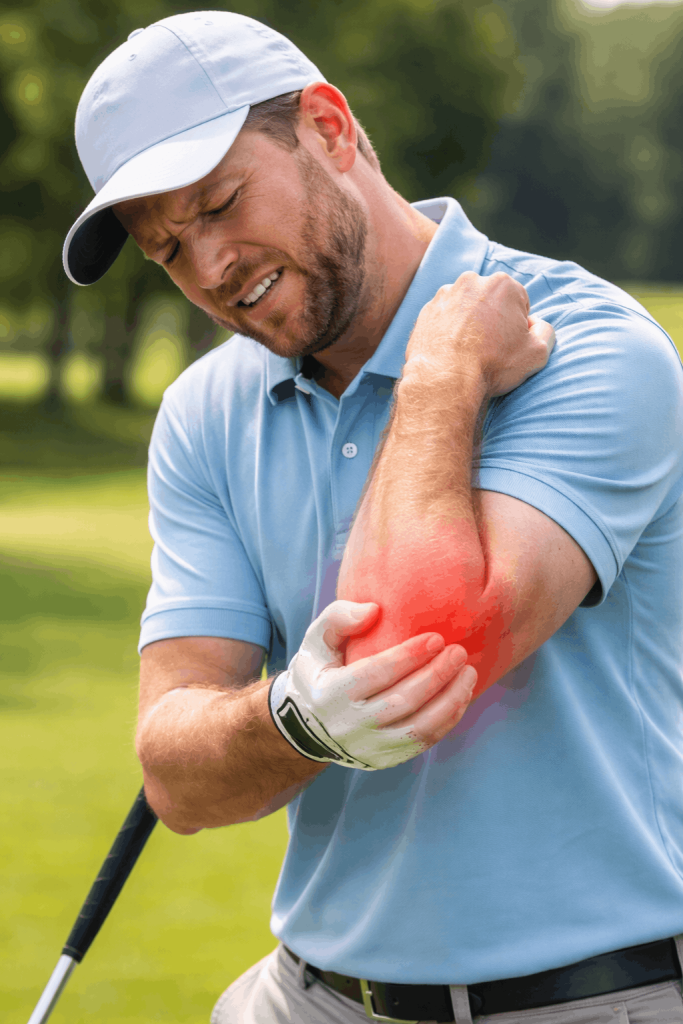
The right Golf Elbow Treatment is essential to ensure fast, safe, and effective recovery. Elbow pain is not only experienced by golfers but is increasingly common among office workers, people who use computers for long hours, perform heavy labor, or repeat the same movements daily. This condition is known as golf elbow or medial epicondylitis, which is an injury to the tendons on the inner side of the elbow caused by repetitive stress. If left untreated, it can become chronic and disrupt daily activities such as lifting objects, holding a phone, or gripping items.
Many people rely solely on painkillers without addressing the underlying cause. The truth is, proper treatment not only relieves pain but also heals the affected tissues.
What Is Golf Elbow?
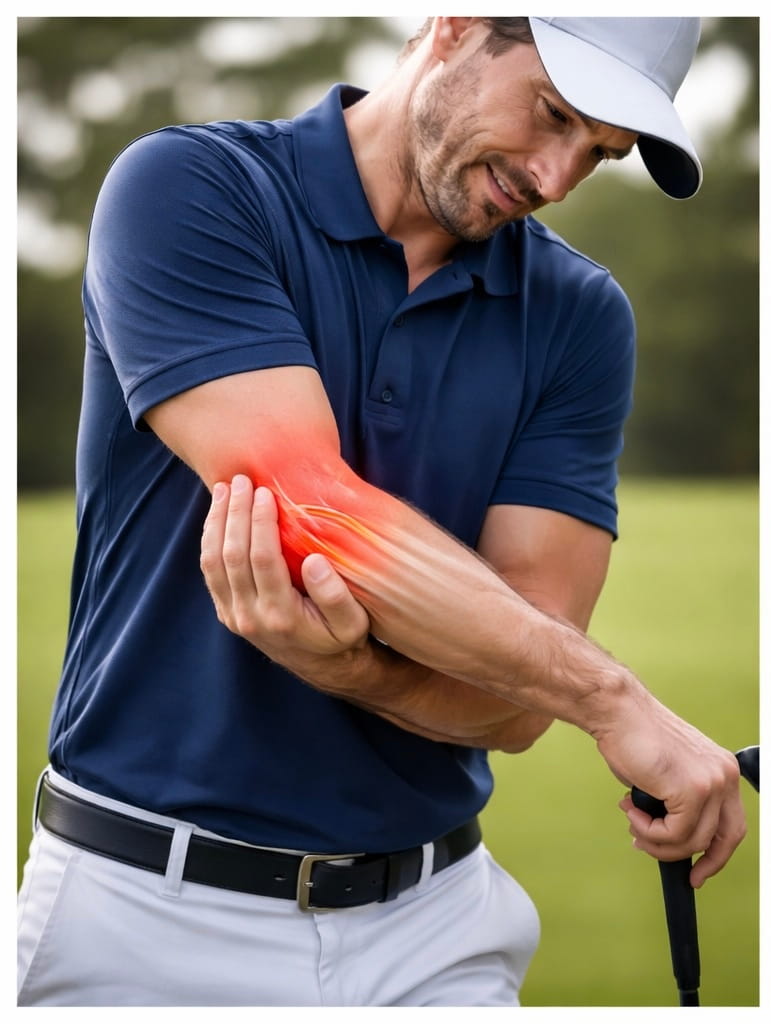
Golf elbow occurs when the tendon connecting the forearm muscles to the elbow bone becomes inflamed or develops small tears due to overuse. Despite its name, golf elbow is not limited to golfers; many patients are ordinary workers.
Common symptoms include inner elbow pain, tension in the forearm, difficulty gripping objects, pain when twisting the wrist, and tingling sensations. In severe cases, patients may experience hand weakness that affects daily tasks.
Without proper Golf Elbow Treatment, these symptoms can persist for months or even years.
Main Causes of Golf Elbow
The primary cause of golf elbow is repetitive stress on the tendon. Activities such as continuous typing, extensive computer mouse use, lifting heavy objects, improper sports techniques, or excessive physical labor can lead to this condition.
Poor posture and insufficient rest also accelerate tendon damage. Many patients are unaware that their daily routines may be major contributing factors. Understanding the causes helps in selecting a more precise and effective Golf Elbow Treatment.
5 Best Golf Elbow Treatments
1. Acupuncture – A Natural and Highly Effective Solution
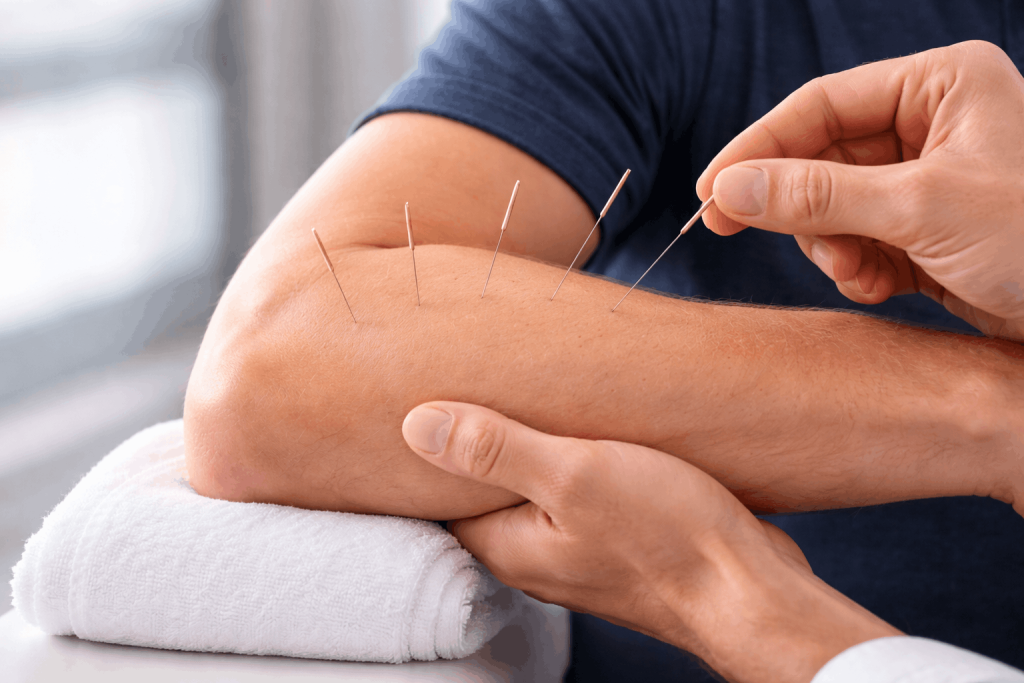
Acupuncture is a popular Golf Elbow Treatment due to its effectiveness in relieving pain without medication. This therapy involves inserting fine needles at specific points to stimulate blood flow and accelerate healing.
Acupuncture reduces inflammation, relieves pain, and improves muscle and tendon function comprehensively. It is suitable for patients who prefer not to rely on long-term painkillers.
What makes acupuncture unique is that it targets the root cause rather than just the symptoms. Many patients report noticeable relief after just a few sessions.
2. Physiotherapy – Restoring Muscle and Tendon Function
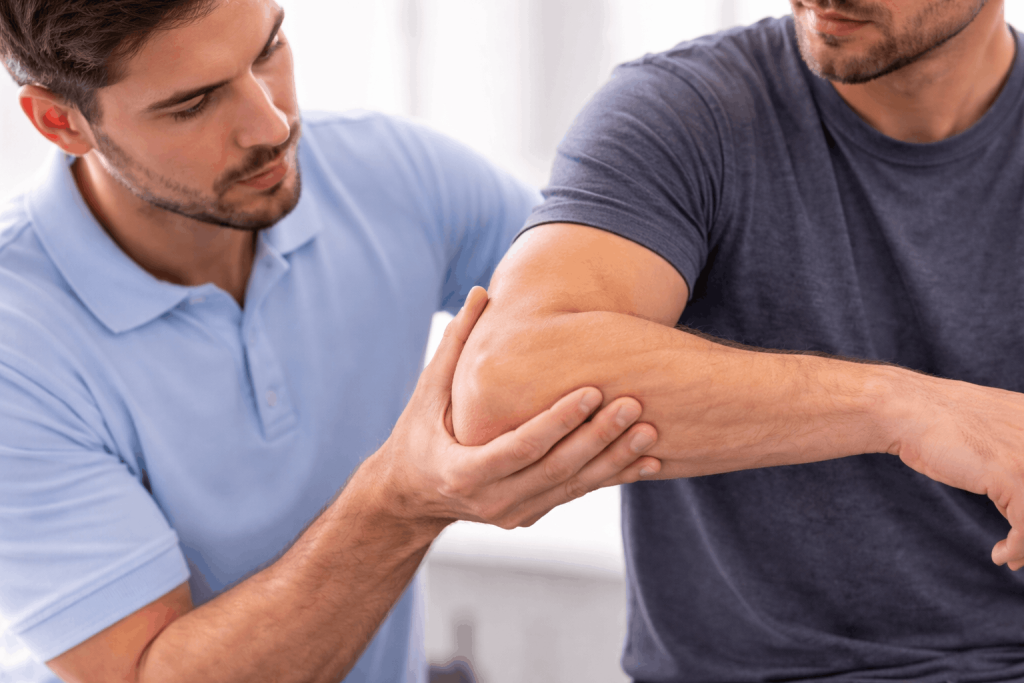
Physiotherapy is a Golf Elbow Treatment that focuses on restoring the function of muscles and tendons. It includes targeted exercises to improve arm strength and flexibility.
Techniques used may include stretching to relieve tension, strengthening exercises to build tendon strength, and additional therapies such as ultrasound or manual therapy. Physiotherapy also educates patients on proper posture and movement techniques to prevent recurrence.
3. Rest and Ice Therapy – Crucial Early Treatment
During the early stage of injury, rest is crucial as it allows the tendon time to heal. Without adequate rest, recovery is delayed, and the risk of worsening the injury increases.
Applying ice for 15–20 minutes several times a day helps reduce inflammation and swelling. This simple method is highly effective for managing early symptoms. However, many patients ignore this step and continue heavy activities, which can make the condition more serious.
4. Elbow Braces or Supports – Reducing Strain
An elbow brace or support helps reduce stress on the injured tendon. This Golf Elbow Treatment is especially useful for individuals who need to continue daily tasks or work while managing pain.
By wearing a brace, pressure on the elbow area is minimized, helping control discomfort. However, braces are supplementary and should be combined with treatments like acupuncture or physiotherapy for best results.
5. Anti-Inflammatory Medications and Medical Treatments
In certain cases, doctors may recommend anti-inflammatory drugs or steroid injections as a Golf Elbow Treatment. These provide quick pain relief but do not address the underlying cause.
Long-term use of medication can lead to side effects; therefore, it is usually employed as a temporary solution before patients undergo rehabilitative treatment.
Comparing Different Golf Elbow Treatments
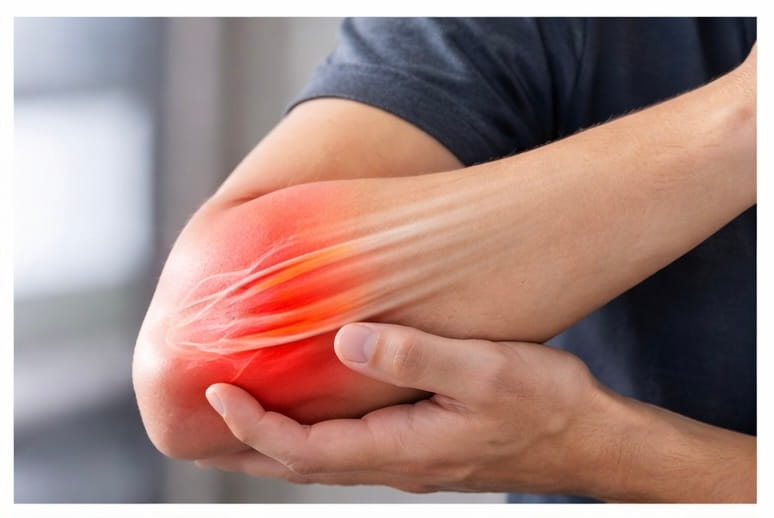
Each Golf Elbow Treatment offers unique benefits depending on the patient’s condition and severity. Acupuncture is ideal for those seeking a natural approach, providing comprehensive healing by targeting the root cause of the tendon inflammation. Physiotherapy focuses on strengthening muscles, improving flexibility, and restoring full functionality to the elbow and forearm. Rest and ice therapy are particularly effective during the early stages of injury, helping to reduce inflammation, swelling, and pain. Braces or elbow supports are helpful for alleviating pressure during daily activities, while anti-inflammatory medications can provide quick symptom relief.
In most cases, a combination of these treatments produces the best results. For instance, pairing physiotherapy with acupuncture can accelerate healing, while braces and ice therapy can manage pain and prevent further strain during recovery. Choosing the right mix of treatments should be based on the patient’s lifestyle, severity of symptoms, and medical advice.
How Long Does Recovery Take?
Recovery time varies depending on the severity of the condition and the type of Golf Elbow Treatment used. Mild cases may see improvement within a few weeks, whereas chronic or severe cases can take several months to fully heal. Consistency and adherence to the prescribed treatment plan are crucial in determining the speed of recovery. Patients who follow a structured program of therapy, rest, and preventive care tend to experience faster and more complete results.
Common Mistakes Patients Make
Many patients make mistakes that can prolong recovery or worsen their condition. These include ignoring early pain, relying solely on painkillers, failing to rest adequately, and not seeking professional guidance. Such errors often lead to chronic issues, reduced mobility, and a higher risk of recurrent injury. Ensuring the correct Golf Elbow Treatment is implemented early can prevent these complications and significantly improve outcomes.
Tips for Preventing Golf Elbow
Preventive measures are essential to avoid recurrence of elbow pain. Maintaining a healthy lifestyle, performing regular stretches before physical activities, using proper techniques in sports or work tasks, and ensuring correct posture can all help reduce strain on the elbow. Regular sessions of acupuncture or physiotherapy can also maintain muscle and tendon health over the long term, making the elbow more resilient to repetitive stress.
Why Early Treatment Matters
Starting treatment early is one of the most important factors for effective recovery. Delaying intervention allows inflammation to worsen, leading to chronic pain and longer recovery periods. Early initiation of Golf Elbow Treatment not only speeds up healing but also improves long-term functionality, reduces discomfort, and minimizes the risk of future injury.
Conclusion
Overall, there are multiple options for Golf Elbow Treatment that can effectively manage elbow pain and promote recovery. Among these, acupuncture has emerged as a preferred choice for many due to its natural, holistic approach and ability to treat the underlying cause rather than just the symptoms. Combining appropriate treatments with a disciplined approach to rest, exercises, and preventive care can significantly accelerate healing and restore quality of life. Don’t wait until the pain becomes severe, seek the right Golf Elbow Treatment now to protect your elbow health and enjoy pain-free daily activities.
Interested in learning more about acupuncture? Check out the link below!