
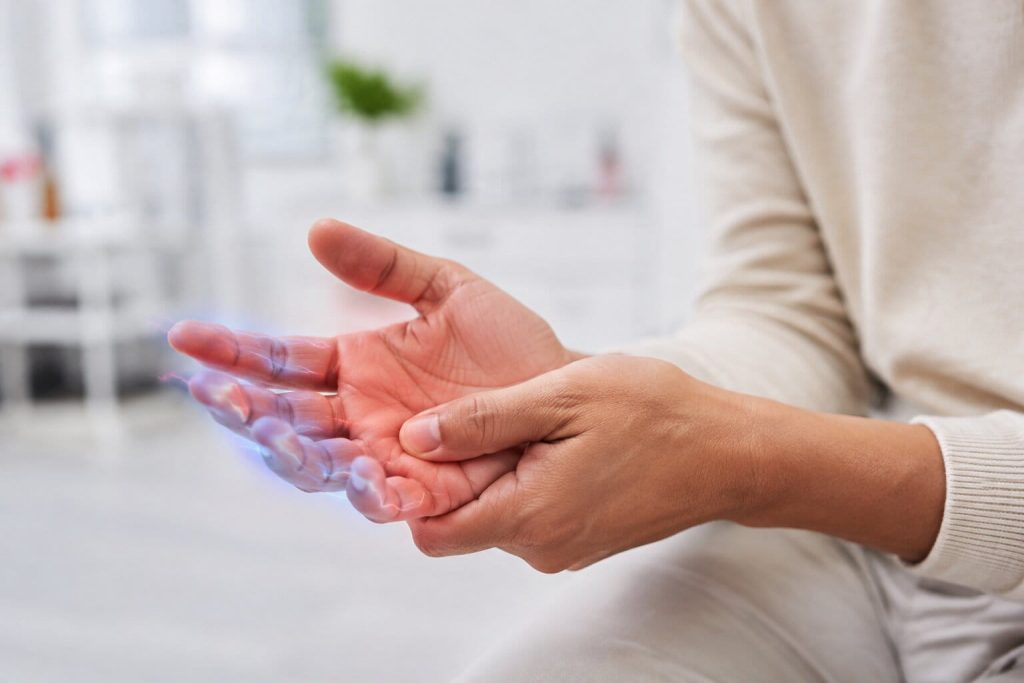
What Is Numbness?
Acupuncture for numbness should normally begin only after an appropriate health assessment, especially when symptoms persist, worsen, repeatedly return or interfere with movement.
Numbness is a partial or complete reduction in sensation. It may feel like an area of the body has “fallen asleep”, but the sensation may remain even after changing position. Some people experience numbness alone, while others notice tingling, burning, prickling, sensitivity, weakness, pain or a cold feeling at the same time.
The hands, fingers, feet, toes, arms and legs are commonly affected. However, altered sensation can occur almost anywhere. The location, timing and pattern often provide useful clues. Numbness in several fingers may be related to a compressed nerve at the wrist, elbow or neck. Symptoms in both feet may be associated with peripheral neuropathy. A sensation travelling down one leg may occur when a spinal nerve is irritated.
Numbness can make an ordinary day unexpectedly difficult. A person may struggle to grip a pen, fasten a button, walk confidently, feel the floor under the feet, or sleep comfortably because of pins and needles. Although the sensation may appear minor at first, persistent or recurring numbness deserves attention because it can have many possible causes.
Possible causes include:
Prolonged pressure on a nerve or reduced blood flow from remaining in one position
Peripheral neuropathy, including diabetic neuropathy
Carpal tunnel syndrome
Sciatica or a compressed spinal nerve
Neck or lower-back problems
Vitamin B12 or other nutritional deficiencies
Medication side effects, including some chemotherapy medicines
Alcohol-related nerve damage
Thyroid, kidney, autoimmune or infectious conditions
Stroke, transient ischaemic attack or another neurological disorder
Injury to a nerve, limb or spinal structure
Because these conditions require different approaches, it is unsafe to assume that every case has the same solution. Acupuncture for numbness should normally begin only after an appropriate health assessment, especially when symptoms persist, worsen, repeatedly return or interfere with movement.
Some people explore acupuncture for numbness after conventional assessment, particularly when their symptoms occur alongside nerve irritation, muscle tension, chronic pain or peripheral neuropathy. Acupuncture is a traditional practice in which a trained practitioner inserts very fine, sterile needles at selected points on the body. In modern clinical settings, it is commonly considered a complementary therapy—not a substitute for identifying and treating the underlying cause.
This guide explains what numbness means, why a proper diagnosis matters, how acupuncture may influence the body, and nine potential benefits that may support better nerve health and quality of life. It also describes what to expect during a session and how to use acupuncture safely as one part of a broader care plan.
For people searching for Acupuncture Batu Caves, the most responsible starting point is a personalised consultation. The practitioner should first understand where the numbness occurs, how long it has been present, whether weakness or pain is involved, and whether medical assessment is needed before complementary care begins.
How May Acupuncture Affect Numbness?
From a Traditional Chinese Medicine perspective, acupuncture is used to encourage the balanced movement of Qi and blood through pathways known as meridians. Treatment is individualised according to the person’s symptom pattern, general health and assessment findings rather than based only on the location of numbness.

In biomedical terms, needling stimulates sensory receptors, nerves, connective tissue and muscles. Researchers have investigated whether this stimulation may influence pain processing, local blood flow, inflammatory signalling and activity within the nervous system. These mechanisms are still being studied, and the results depend on the condition being treated.
It is important to keep expectations realistic. Acupuncture does not physically remove a slipped disc, reverse every form of nerve damage or guarantee that normal sensation will return. Evidence also varies between conditions. The United States’ National Center for Complementary and Integrative Health provides a useful overview of the effectiveness and safety evidence for acupuncture across several health problems.
For an individual patient, the aim may be to reduce associated discomfort, improve movement, relieve muscular tension or make daily life more manageable while medical treatment addresses the underlying cause. With that context in mind, here are nine potential benefits of acupuncture for people experiencing numbness.
1. May Stimulate Sensory Nerves
One reason people consider acupuncture for numbness is the direct sensory stimulation created by very fine needles. Depending on the points used and the person’s condition, a patient may notice heaviness, warmth, pressure, tingling or a dull ache around a needle. Practitioners monitor these responses and adjust the treatment to keep it tolerable.
This controlled stimulation sends sensory signals through peripheral nerves toward the spinal cord and brain. Researchers continue to examine whether repeated stimulation can influence the nervous system’s processing of sensation. This does not mean a damaged nerve is immediately repaired. However, sensory input may be clinically relevant when a person has altered feeling accompanied by discomfort or disrupted body awareness.
2. May Encourage Local Circulation
This controlled stimulation sends sensory signals through peripheral nerves toward the spinal cord and brain. Researchers continue to examine whether repeated stimulation can influence the nervous system’s processing of sensation. This does not mean a damaged nerve is immediately repaired. However, sensory input may be clinically relevant when a person has altered feeling accompanied by discomfort or disrupted body awareness.
This possible circulatory effect is frequently discussed as a benefit of acupuncture for numbness, particularly when symptoms occur with tight muscles or a feeling of coldness. Yet circulation is only one part of the picture. Numbness caused by diabetes, vascular disease, a blood clot or another circulation disorder needs proper medical management. Acupuncture must not delay assessment or replace prescribed medication.
People with diabetes should pay particular attention to foot care. Reduced sensation can make a blister, burn or wound difficult to detect. Regular skin checks, suitable footwear, blood-glucose management and professional healthcare remain essential whether or not acupuncture is included in the care plan.
3. May Reduce Tingling, Burning and Associated Discomfort
Nerve-related symptoms are not always painless. Numbness may occur together with pins and needles, electric-shock sensations, burning or stabbing pain. These mixed sensations can be distracting during work, uncomfortable at rest and particularly disruptive at night.
Acupuncture has been widely studied in relation to pain, although evidence and recommendations differ according to the diagnosis. Proposed mechanisms include effects on the nervous system’s pain-modulating pathways and the release of naturally occurring chemicals involved in pain perception. For some patients, less discomfort may make the numb area feel easier to manage even if sensation has not completely returned.
4. May Ease Muscle Tension Around Irritated Nerves
Tight or guarded muscles can occur around painful or irritated areas. Neck and shoulder tension may accompany symptoms travelling into the arm or hand, while lower-back and hip tension may appear with altered sensation down a leg. Muscle tightness does not explain every case, but it may contribute to discomfort and restricted movement.
An acupuncturist may select local and distant points to address the overall pattern. When muscular tension decreases, a person may find it easier to turn the neck, move the shoulder, open and close the hand, or walk with a more natural stride. Reduced guarding may also support exercises recommended by a doctor or physiotherapist.
However, numbness associated with progressive weakness, severe spinal pain, saddle-area sensory loss, or bladder or bowel changes requires urgent medical care. These are not symptoms to manage with a routine complementary therapy appointment.
5. May Support Mobility and Physical Confidence
Feeling the ground, knowing where a limb is positioned and receiving clear sensory feedback all contribute to movement. Numb feet can make a person hesitant on stairs or uneven surfaces. Numb fingers can affect grip and fine motor control. Fear of falling or dropping an object may then reduce activity further.
If acupuncture for numbness helps reduce associated pain, tingling or muscle tightness, the patient may feel more comfortable participating in appropriate movement and rehabilitation. This indirect benefit can matter: safe, regular activity helps maintain strength, joint mobility, balance and independence.
Acupuncture should be combined with practical risk reduction. Keep walkways clear, use adequate lighting, wear supportive footwear, avoid walking barefoot when foot sensation is reduced, and check the skin daily for cuts or pressure marks. A physiotherapy or occupational therapy assessment may also be helpful when numbness affects balance, walking, hand function or work tasks.
6. May Promote Relaxation and Better Sleep
Persistent symptoms can create a difficult cycle. Tingling and burning disturb sleep; poor sleep increases fatigue and makes discomfort harder to tolerate; anxiety about the symptoms then makes it more difficult to relax. Some patients report feeling calm or relaxed following acupuncture.
A quieter treatment environment, time away from daily demands and the physiological response to gentle needling may all contribute. Better relaxation does not directly establish that a nerve has healed, but improved sleep can support mood, energy, coping and participation in daytime activities.
7. Offers a Drug-Free Complementary Option
Some people want additional symptom-management choices because medicines cause side effects, cannot be used with certain health conditions or do not provide enough relief by themselves. Acupuncture is a non-pharmacological option and does not add another medicine to the body.
That does not make it a replacement for medication. Treatments for diabetes, vitamin deficiency, thyroid disease, infection, inflammation or other underlying causes may be essential for preventing further nerve damage. Never stop or reduce prescribed medicine without speaking to the clinician who manages it.
The best use of acupuncture for numbness may be within an integrated plan that includes medical care, physiotherapy, exercise, nutrition, sleep support and lifestyle changes. Tell every healthcare provider which treatments, supplements and medicines you use so the different parts of care can be coordinated safely.
8. Can Be Personalised to the Individual
Two people who both report numb hands may have very different histories. One may have symptoms linked to repetitive wrist use, another may have neck-related nerve irritation, and another may have a systemic condition. A responsible practitioner does not treat all three people with an identical routine.
Before treatment, the acupuncturist should ask where the numbness occurs, when it began, what makes it better or worse, and whether pain, weakness or other symptoms are present. Relevant medical diagnoses, medicines, pregnancy, bleeding risk, implanted devices and previous surgery should also be discussed.
The selection of points, number of needles, stimulation level, session duration and treatment frequency can then be adapted. Progress should be reviewed using practical outcomes—for example, whether the patient sleeps longer, walks more confidently or completes hand tasks more comfortably. If there is no worthwhile improvement after an agreed trial, the plan should be reconsidered rather than continued indefinitely.
At Iswanah Acupuncture, patients can enquire about an individual assessment and whether acupuncture is suitable as part of their care plan. A consultation is also an opportunity to identify symptoms that should be referred for medical assessment before treatment begins.
Why Choose Acupuncture Batu Caves for Numbness Support?
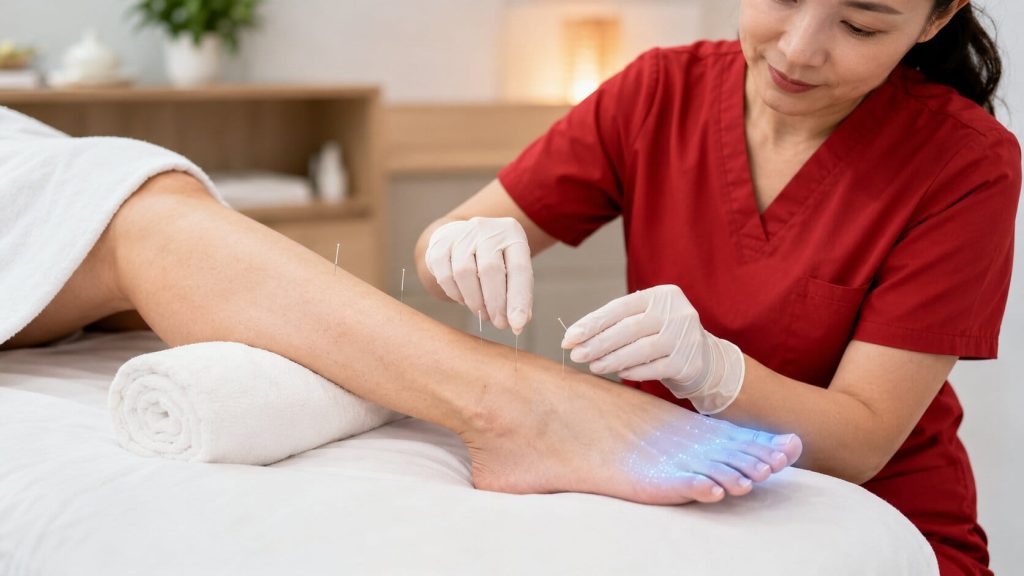
Choosing a nearby clinic can make it easier to attend consultations, follow an agreed treatment schedule and review progress consistently. Patients considering Acupuncture Batu Caves should look for a professional clinic that uses sterile, single-use needles, reviews relevant medical history and explains the proposed care plan clearly.
At Iswanah Acupuncture, treatment recommendations are based on the individual rather than a one-size-fits-all routine. The practitioner considers the location and pattern of numbness, associated discomfort, health conditions and realistic treatment goals. Patients can enquire whether acupuncture may be suitable as complementary support while continuing any medical care or rehabilitation recommended for the underlying cause.
9. May Complement a Broader Nerve-Health Plan
Nerve health is rarely supported by one intervention alone. Depending on the diagnosis, a care plan may involve blood-glucose control, treatment of a nutritional deficiency, changes to an aggravating activity, rehabilitation, medication, weight management, improved sleep or reduced alcohol intake.
Acupuncture for numbness can fit into this wider plan by targeting manageable symptoms and supporting comfort while other treatments address the cause. The collaborative approach is especially valuable when symptoms affect several areas of life. A doctor can investigate the diagnosis, a physiotherapist can guide movement and strength, an occupational therapist can modify tasks, and an acupuncturist can provide complementary symptom support.
The most powerful benefit is therefore not a promise of instant nerve recovery. It is the opportunity to build a structured, personalised plan, monitor change and support the person as a whole.
Which Types of Numbness May Be Considered for Acupuncture?
After medical assessment, acupuncture may be considered as complementary care for symptoms associated with:
Peripheral neuropathy
Diabetic neuropathy, alongside proper diabetes management
Carpal tunnel syndrome
Sciatica
Neck- or back-related nerve irritation
Post-treatment symptoms after a doctor has confirmed acupuncture is appropriate
Muscular tension occurring alongside tingling or altered sensation
Suitability depends on the cause, severity, medical history and safety considerations. Results from studies of one condition cannot automatically be applied to another. A person with mild intermittent tingling and a person with rapidly progressive loss of sensation require very different responses.
What to Expect During an Acupuncture Session
The first appointment normally begins with a consultation. The practitioner may ask about the exact area affected, symptom duration, daily activities, sleep, medical diagnoses, current medicines and previous investigations. Bring relevant medical reports if available.
You will be positioned comfortably, and selected skin areas should be cleaned according to clinical practice. The practitioner inserts single-use, sterile, hair-thin needles at chosen points. Most people feel little discomfort on insertion, although a brief prick, pressure, heaviness, warmth or dull ache can occur. The needles may remain in place for a set period while you rest.
The Mayo Clinic’s acupuncture overview explains the procedure, potential risks and the importance of choosing a competent practitioner. Mild temporary effects can include soreness, minor bleeding or bruising. Serious complications are uncommon when acupuncture is performed correctly with sterile, single-use needles, but poor technique can cause infection or injury.
After the session, the practitioner may advise rest, hydration or observation of symptom changes. Some people notice a response quickly; others require several sessions; some do not benefit. No ethical practitioner should guarantee a cure or insist that temporary soreness proves the treatment is working.
If you are comparing options for Acupuncture Batu Caves, ask how the practitioner monitors progress and when reassessment will take place. Useful outcomes may include reduced tingling, better sleep, easier walking or improved comfort during daily tasks—not an unsupported promise of complete nerve recovery.
Conclusion
Numbness is not a diagnosis by itself. It is a symptom that can arise from temporary pressure, nerve compression, peripheral neuropathy, metabolic conditions, nutritional deficiencies or serious neurological problems. Identifying the cause is therefore the most important first step.
When used responsibly after appropriate assessment, acupuncture for numbness may provide several supportive benefits. It may stimulate sensory pathways, encourage local circulation, reduce associated tingling or pain, ease muscle tension, support movement, promote relaxation and complement a broader nerve-health plan. However, responses vary, and acupuncture cannot guarantee nerve repair or replace necessary medical treatment.
If persistent numbness is affecting your sleep, mobility, work or confidence, consider discussing all suitable options with qualified healthcare professionals. To learn more about Acupuncture Batu Caves, visit Iswanah Acupuncture and enquire about a personalised assessment. A thoughtful plan should prioritise safety, realistic goals and coordinated care—helping you move towards greater comfort and better daily function.