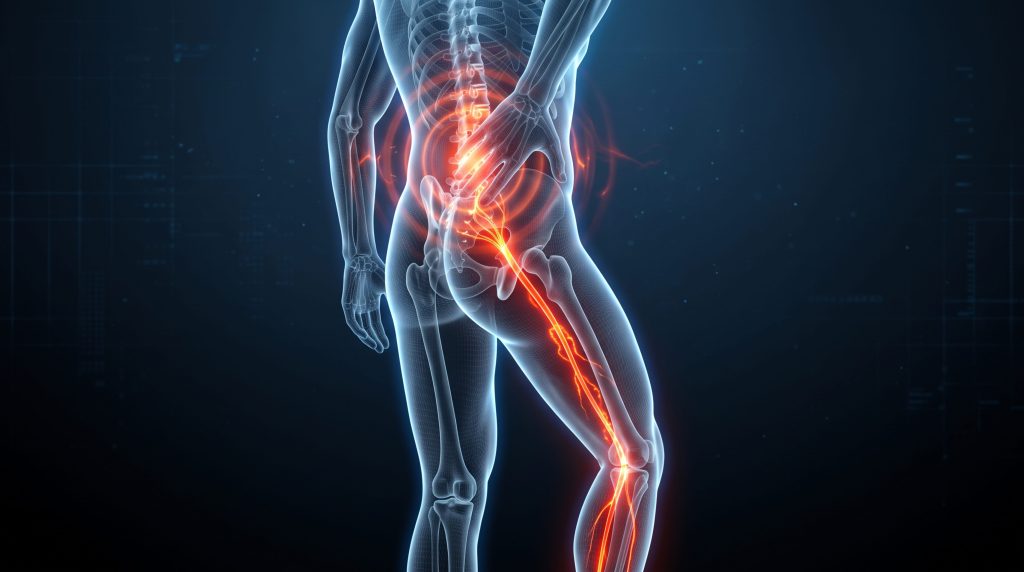
Sciatica can make everyday activities uncomfortable, especially when pain travels from the lower back into the buttocks and legs. Some individuals experience tingling, numbness, or burning sensations that interfere with walking, sitting, and sleeping.
For people exploring complementary approaches, acupuncture for sciatica has attracted attention as a potential option for managing discomfort.
At Iswanah Acupuncture, we believe understanding your symptoms and available care options is an important step towards making informed decisions about your health.
What Is Sciatica?
Sciatica refers to symptoms caused by irritation or compression of nerve roots that contribute to the sciatic nerve. This nerve extends from the lower spine through the buttocks and down each leg.
Common causes include herniated discs, age-related spinal changes, and narrowing of spaces around spinal nerves.
Typical symptoms include:
- Pain radiating from the lower back into one leg.
- Tingling or numbness.
- Burning or electric-shock sensations.
- Weakness in the affected leg.
- Discomfort during prolonged sitting.
Symptoms vary between individuals, and proper medical assessment helps identify the underlying cause.
How Does Acupuncture Work?
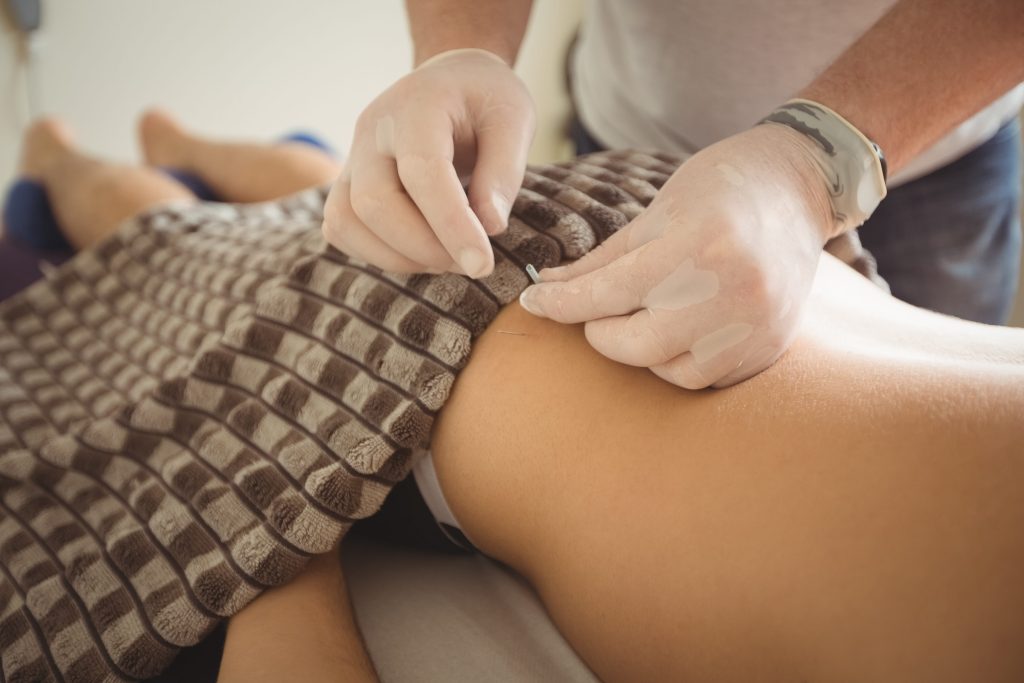
Acupuncture for sciatica involves inserting thin, sterile needles into selected points on the body.
Researchers believe needle stimulation may influence pain-processing pathways within the nervous system. However, the precise mechanisms and clinical benefits remain under investigation.
Some studies suggest possible improvements in pain and physical function, particularly among people with chronic disc-related symptoms.
Nevertheless, research findings are mixed. Acupuncture is not a guaranteed treatment, and some clinical guidelines do not recommend its routine use for this condition.
7 Potential Benefits of Acupuncture for Sciatica
1. May Help Reduce Pain Intensity
One reason individuals explore acupuncture for sciatica is to seek additional options for managing persistent nerve-related discomfort.
Clinical research suggests that some patients may experience improvements in pain intensity following treatment.
A 2024 randomised clinical trial involving individuals with chronic sciatica caused by herniated discs reported greater improvements with acupuncture than with sham treatment.
However, results from individual studies should not be interpreted as a guarantee of similar outcomes for everyone.
2. May Support Muscle Relaxation
Persistent nerve discomfort can sometimes contribute to muscle guarding and tension around the lower back, hips, and buttocks.
Acupuncture for sciatica may help some individuals feel more comfortable, although evidence specifically supporting muscle relaxation remains limited.
Muscle tension can also be influenced by prolonged sitting, stress, and reduced physical activity.
Gentle stretching, appropriate movement, and rehabilitation exercises may complement an overall management plan.
It is important to avoid movements that significantly worsen radiating pain or neurological symptoms.
3. May Improve Everyday Comfort
Activities such as walking, standing, climbing stairs, and getting out of bed can become challenging when nerve-related symptoms persist.
Some people considering acupuncture for sciatica hope to improve their ability to perform these activities more comfortably.
Research has identified potential improvements in physical function among selected patient groups.
However, improvements are not universal, and the underlying cause of nerve irritation must also be considered.
Maintaining appropriate physical activity and following professional rehabilitation advice are important for supporting everyday mobility.
4. Provides a Non-Drug Complementary Option
Acupuncture for sciatica is sometimes considered by individuals who want to explore non-drug approaches alongside conventional medical care.
The procedure uses fine needles rather than medication, although it is not completely risk-free.
Possible side effects include temporary soreness, minor bleeding, and bruising.
Individuals taking blood-thinning medication or living with certain medical conditions should inform their practitioner before treatment.
Acupuncture should never replace necessary medical investigations, prescribed treatment, or urgent medical attention.
5. May Help With Sleep-Related Discomfort
Sciatica symptoms can become particularly frustrating at night when finding a comfortable sleeping position becomes difficult.
People exploring acupuncture for sciatica may also be concerned about how discomfort affects their rest.
While reducing pain could indirectly improve sleep for some individuals, strong evidence that acupuncture directly improves sciatica-related sleep problems is lacking.
Using suitable pillow support, adjusting sleeping positions, and maintaining healthy sleep habits may provide additional comfort.
Persistent sleep disruption should be discussed with a healthcare professional.
6. Can Be Discussed Alongside Rehabilitation
Managing sciatic nerve symptoms often involves a combination of approaches based on individual assessment.
Acupuncture for sciatica may be discussed as a complementary option alongside evidence-based rehabilitation, although its routine use is not recommended by every clinical guideline.
Physiotherapy may include progressive exercises, movement education, strengthening, and strategies for returning to normal activities.
A coordinated management plan should prioritise treatments with established benefits while considering patient preferences and clinical suitability.
Patients should communicate with their healthcare providers about all treatments they receive.
7. Encourages Personalised Symptom Management
Sciatica can develop from different spinal conditions, meaning one treatment approach may not suit everyone.
Before considering acupuncture for sciatica, individuals should understand their diagnosis, symptom severity, and available treatment options.
A practitioner may discuss medical history, current medications, functional limitations, and expectations.
Personalised guidance can help patients establish realistic goals and recognise when further medical assessment is necessary.
The most appropriate plan depends on the cause of symptoms, individual health circumstances, and response to care.
What to Expect During an Acupuncture Session
During an initial consultation, the practitioner may ask about your symptoms, medical history, medications, and previous treatments.
If treatment is considered suitable, fine needles are inserted into selected points using appropriate hygiene procedures.
Some individuals experience mild tingling, temporary soreness, or a dull sensation during the session.
Treatment frequency varies according to individual needs, and no specific number of sessions can guarantee improvement.
Always seek urgent medical care for new bladder or bowel difficulties, numbness around the groin, or severe or progressive leg weakness.
Why Consider Iswanah Acupuncture?

At Iswanah Acupuncture, we understand that persistent nerve discomfort can affect daily routines and overall well-being.
Our team provides consultation and information about available acupuncture services to help individuals understand whether complementary care may be appropriate.
If you are considering acupuncture for sciatica, discussing your symptoms with a qualified practitioner is an important first step.
Learn more about our services through Iswanah Acupuncture’s sciatica service page.
Conclusion
Sciatica can affect mobility, comfort, sleep, and everyday activities. Understanding the underlying cause is essential when choosing appropriate treatment options.
Although research suggests potential benefits for some individuals, evidence remains mixed, and acupuncture is not a replacement for conventional medical care.
If you experience persistent sciatic nerve symptoms, seek a professional assessment and discuss suitable management approaches.
Contact Iswanah Acupuncture today to enquire about a consultation and learn more about your available care options.