

Lying awake at 2 a.m., watching the clock, is exhausting in every sense. If sleeping pills leave you groggy or you simply want a gentler approach, acupuncture for insomnia is a natural option worth understanding. In this guide, you’ll learn how it works, what research suggests, and what to expect during treatment.
What Is Insomnia?
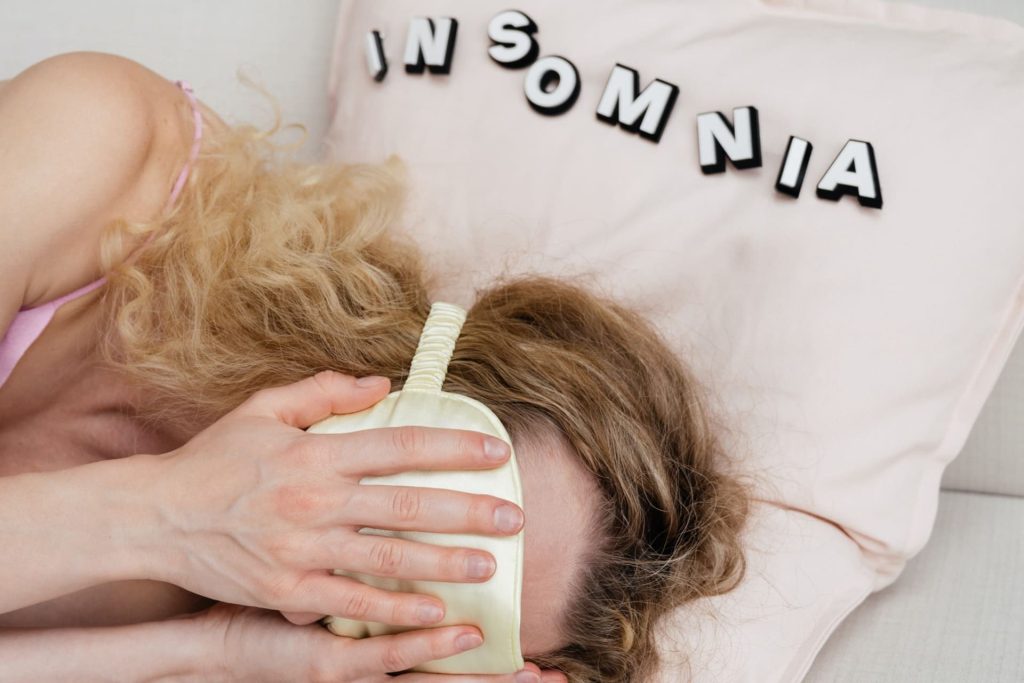
Insomnia is a sleep disorder where you have trouble falling asleep, staying asleep, or waking up too early and being unable to go back to sleep. It becomes chronic when it happens at least three nights a week for three months or longer.
Common effects include:
- Daytime fatigue and low energy
- Poor concentration and memory
- Irritability and mood changes
- Headaches and muscle tension
Stress, anxiety, irregular routines, pain, hormonal changes, and too much screen time are frequent triggers.
What Is Acupuncture for Insomnia?
Acupuncture is a traditional practice in which a trained practitioner inserts very fine, sterile needles into specific points on the body. Acupuncture for insomnia targets points associated with relaxation, calming the mind, and balancing the body’s stress response.
In Traditional Chinese Medicine, insomnia is seen as an imbalance in the body’s energy flow. From a modern perspective, researchers believe acupuncture may influence the nervous system, helping the body shift from “fight or flight” mode into “rest and digest” mode.
7 Ways Acupuncture May Help You Sleep Better

1. Calms the Nervous System
Needling certain points may reduce sympathetic (stress) activity and encourage relaxation, making it easier to fall asleep.
2. May Support Melatonin Production
Some studies suggest acupuncture may influence melatonin, the hormone that regulates your sleep-wake cycle.
3. Reduces Stress and Anxiety
Because anxiety is a major driver of sleepless nights, easing stress often improves sleep quality as well.
4. Eases Pain and Muscle Tension
Neck, shoulder, and back pain can keep you awake. Acupuncture is commonly used for pain relief, which can indirectly support better rest
5. Helps Regulate Stress Hormones
Research indicates acupuncture may help moderate cortisol, the stress hormone that stays elevated in many people with insomnia.
6. Supports Deeper, More Continuous Sleep
Many people report falling asleep faster and waking less often through the night after a course of sessions.
7. Drug-Free and Generally Well Tolerated
When performed by a qualified practitioner, acupuncture is generally considered safe and does not carry the dependence risk associated with some sleep medications.
What Does the Research Say?
Several systematic reviews have found that acupuncture may improve sleep quality and insomnia severity compared with no treatment or sham treatment. However, many studies are small or vary in quality, so researchers call for larger, better-designed trials.
In short: the evidence is encouraging but not conclusive. Acupuncture works best as part of a broader plan that includes good sleep habits, and for some people, cognitive behavioral therapy for insomnia (CBT-I), which is widely recommended as a first-line treatment.
Common Acupuncture Points Used for Sleep
Practitioners choose points based on your individual pattern. Commonly used areas include:
- Shenmen (HT7) on the wrist, used to calm the mind
- Anmian behind the ear, known as the “peaceful sleep” point
- Yintang between the eyebrows, used for relaxation
- Sanyinjiao (SP6) on the lower leg, used for restlessness and stress
Please do not try to needle yourself. Treatment should always be done by a trained professional.
What to Expect During a Session
- Consultation: Your practitioner asks about your sleep pattern, stress, health history, and lifestyle.
- Treatment: Thin needles are placed and left in for about 20-30 minutes while you rest. Most people feel little to no pain, often a mild tingling or heaviness.
- Course of sessions: Insomnia usually needs several sessions, often weekly at first, with improvement building gradually.
Is Acupuncture for Insomnia Safe?
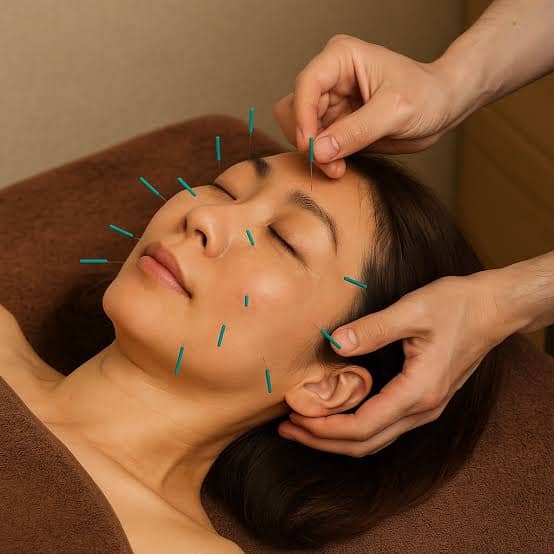
For most healthy adults, yes, when done by a licensed practitioner using sterile, single-use needles. Possible minor side effects include slight bruising, soreness, or temporary drowsiness.
Let your practitioner know if you are pregnant, have a bleeding disorder, use blood thinners, or have a pacemaker.
Tips to Boost Your Results
- Keep a consistent sleep and wake time
- Avoid caffeine in the afternoon and evening
- Put screens away at least an hour before bed
- Keep your bedroom cool, dark, and quiet
- Try relaxation techniques such as slow breathing or gentle stretching
When to See a Doctor
See a doctor if your insomnia lasts more than a few weeks, affects your daily functioning, or comes with symptoms such as loud snoring, breathing pauses during sleep, or persistent low mood. Insomnia can sometimes be a sign of another underlying condition, and acupuncture should complement, not replace, medical care. or gentle stretching
Frequently Asked Questions
How many sessions of acupuncture for insomnia do I need?
It varies. Many people notice changes within 4 to 8 sessions, though chronic cases may need longer.
Does acupuncture for insomnia hurt?
The needles are much thinner than injection needles. Most people feel only mild sensations.
Can I combine acupuncture with other insomnia treatments?
Often yes. Tell all your healthcare providers what you’re using so your care stays coordinated.
How soon will I sleep better?
Some people feel more relaxed after the first session, while lasting improvement typically builds over several weeks.
Final Thoughts
Acupuncture for insomnia offers a gentle, drug-free way to calm the body and support healthier sleep, especially when combined with good sleep habits and proper medical guidance. If sleepless nights are draining your days, a consultation with a qualified practitioner could be a good first step.
Ready to sleep better? Book a consultation with our team at Iswanah to find out whether acupuncture is right for you.