
Introduction
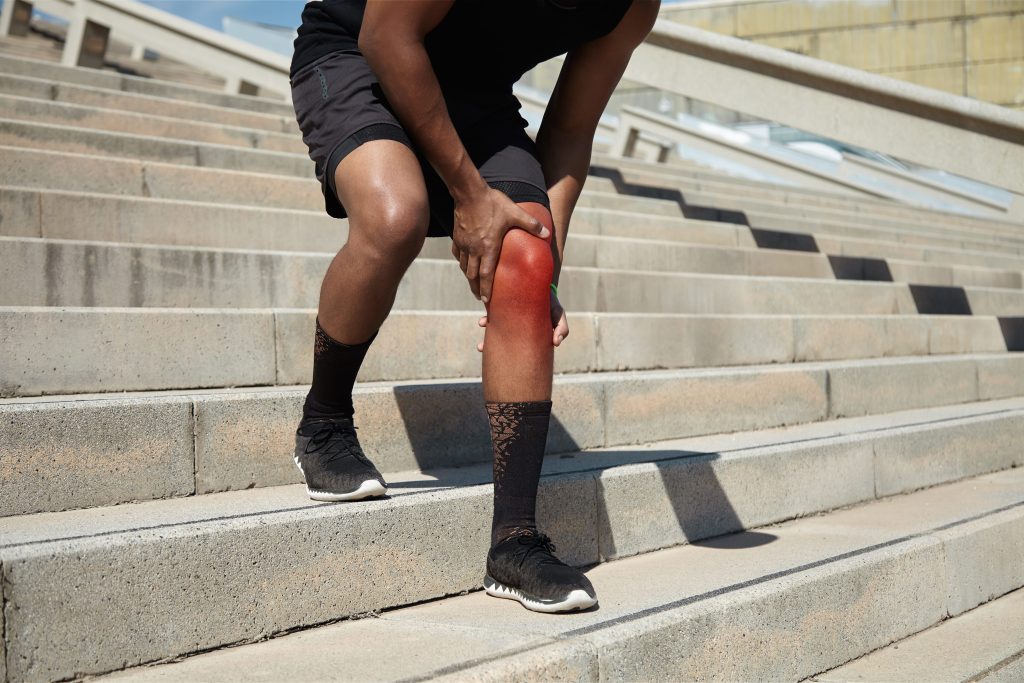
Knee pain is one of the most common musculoskeletal complaints affecting people of all ages. Whether you are an athlete, office worker, senior citizen, or someone who enjoys an active lifestyle, discomfort in the knee can significantly affect your quality of life. From difficulty walking and climbing stairs to challenges performing daily activities, knee problems can become increasingly frustrating if left untreated.
Many individuals rely on pain medications or temporary solutions to manage their symptoms. While these approaches may provide short-term relief, they often do not address the underlying causes. As a result, more people are exploring natural and holistic treatment options such as acupuncture.
Acupuncture is a traditional treatment that has been practiced for thousands of years. Today, it is widely recognized as a complementary therapy for musculoskeletal conditions and chronic pain management. By stimulating specific points on the body using fine needles, acupuncture aims to restore balance, improve circulation, and promote the body’s natural healing processes.
This article explores the causes of knee pain, its symptoms, and seven proven ways acupuncture can help reduce discomfort and improve mobility naturally.
What Is Knee Pain?

Knee pain refers to discomfort, soreness, or inflammation around the knee joint. The condition can range from mild irritation to severe pain that limits movement and daily activities.
The knee is one of the largest and most complex joints in the human body. It consists of bones, cartilage, ligaments, tendons, muscles, and synovial fluid working together to support movement and body weight.
Because of its complexity and constant use, the knee is vulnerable to injuries, degeneration, and inflammatory conditions.
Common Causes of Knee Pain
Understanding the root cause of knee pain is important before seeking treatment. Some of the most common causes include:
1. Osteoarthritis
Osteoarthritis occurs when the protective cartilage within the knee joint gradually wears down. This leads to friction between bones, resulting in pain, stiffness, and reduced mobility.
2. Sports Injuries
Athletes frequently experience knee injuries such as ligament tears, meniscus injuries, and tendon strains due to sudden twisting, jumping, or impact.
3. Patellofemoral Pain Syndrome
Often known as “runner’s knee,” this condition causes pain around the kneecap due to improper tracking or overuse.
4. Tendinitis
Inflammation of the tendons surrounding the knee can develop from repetitive activities such as running, cycling, or jumping.
5. Bursitis
Bursae are small fluid-filled sacs that cushion joints. Inflammation of these sacs can cause swelling and discomfort.
6. Obesity
Excess body weight places additional stress on the knee joints, increasing the risk of degeneration and chronic pain.
7. Aging
As people age, natural wear and tear can contribute to joint deterioration and recurring knee discomfort.
Symptoms Associated with Knee Pain
Symptoms may vary depending on the underlying condition. Common signs include:
- Aching or sharp pain around the knee
- Swelling and inflammation
- Stiffness after sitting or resting
- Difficulty walking
- Reduced range of motion
- Clicking or popping sounds
- Weakness in the knee
- Instability while standing
- Pain when climbing stairs
- Tenderness around the joint
Persistent symptoms should be evaluated by a healthcare professional to determine the most appropriate treatment.
Understanding Acupuncture for Knee Conditions
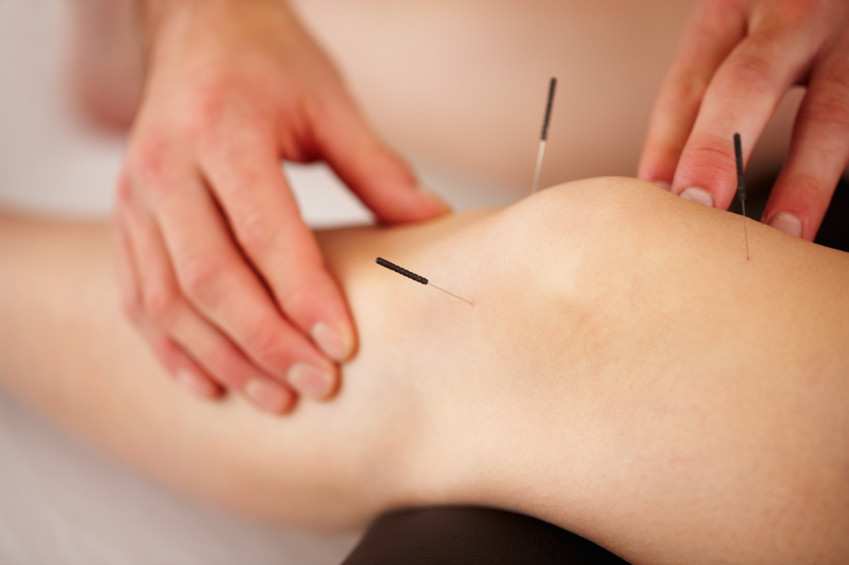
Acupuncture is a component of Traditional Chinese Medicine (TCM) that involves inserting thin, sterile needles into specific points on the body.
According to TCM principles, pain occurs when the body’s energy flow, known as Qi, becomes blocked or imbalanced. Acupuncture aims to restore this balance and support natural healing.
From a modern medical perspective, acupuncture may help by:
- Stimulating nerves
- Increasing blood circulation
- Triggering endorphin release
- Reducing inflammation
- Relaxing muscles
- Improving tissue healing
Because of these effects, acupuncture has become increasingly popular among individuals seeking relief from knee pain without relying solely on medications.
7 Proven Ways Acupuncture Helps Relieve Knee Pain
1. Reduces Inflammation Naturally
Inflammation is one of the primary contributors to knee pain. Conditions such as arthritis, bursitis, and tendon injuries often involve excessive inflammatory responses.
Acupuncture may help regulate inflammatory chemicals within the body, reducing swelling and irritation around the knee joint.
When inflammation decreases, patients often experience:
- Less swelling
- Improved comfort
- Better joint movement
- Reduced stiffness
This natural anti-inflammatory effect makes acupuncture an attractive option for those looking to manage chronic knee conditions.
2. Improves Blood Circulation Around the Knee
Healthy blood circulation is essential for tissue repair and recovery.
Poor circulation can delay healing and prolong discomfort. Acupuncture stimulates local blood flow, delivering oxygen and nutrients to damaged tissues while removing metabolic waste products.
Enhanced circulation may support:
- Faster healing
- Reduced muscle tension
- Improved tissue regeneration
- Better joint health
Improved circulation can be particularly beneficial for individuals recovering from injuries or dealing with long-term knee pain.
3. Stimulates the Body’s Natural Painkillers
One of the most recognized benefits of acupuncture is its ability to encourage the release of endorphins.
Endorphins are natural chemicals produced by the body that help reduce pain and promote a sense of well-being.
When acupuncture stimulates specific points, the nervous system responds by increasing endorphin production. This process can help lower pain perception without the need for excessive medication use.
Many patients report feeling relaxed and more comfortable following treatment sessions.
4. Relaxes Tight Muscles Surrounding the Joint
Muscle tension around the knee can place additional stress on the joint and worsen symptoms.
Tight quadriceps, hamstrings, calves, and surrounding muscles may contribute to poor knee mechanics and discomfort.
Acupuncture helps relax these muscles by:
- Reducing muscle spasms
- Improving flexibility
- Enhancing circulation
- Restoring normal movement patterns
When muscle tension decreases, the knee joint often experiences less strain and improved function.
5. Supports Recovery from Sports Injuries
Athletes frequently suffer from ligament sprains, tendon injuries, meniscus problems, and overuse conditions.
Acupuncture is commonly used alongside rehabilitation programs to support recovery from sports-related knee injuries.
Potential benefits include:
- Reduced pain
- Improved circulation
- Faster healing response
- Better mobility
- Enhanced recovery outcomes
Whether you are a professional athlete or recreational sports enthusiast, acupuncture may help accelerate your return to physical activities.
6. Improves Joint Mobility and Flexibility
Limited movement is a common complaint among individuals experiencing knee pain.
Stiffness often develops due to inflammation, muscle guarding, scar tissue formation, or degenerative changes.
Acupuncture can help improve mobility by:
- Reducing inflammation
- Relaxing muscles
- Enhancing circulation
- Supporting tissue repair
Improved flexibility allows individuals to perform daily activities more comfortably, including walking, squatting, and climbing stairs.
Many patients notice gradual improvements in their range of motion after several treatment sessions.
7. Provides Long-Term Pain Management
One major advantage of acupuncture is its potential role in long-term pain management.
Unlike temporary symptom suppression, acupuncture focuses on supporting the body’s healing mechanisms and addressing contributing factors.
Regular acupuncture sessions may help:
- Reduce recurring symptoms
- Improve overall joint function
- Minimize reliance on medication
- Enhance quality of life
- Support ongoing recovery
For individuals dealing with chronic knee pain, consistent treatment can become part of a comprehensive management strategy.
Who Can Benefit from Acupuncture?

Acupuncture may benefit individuals experiencing:
- Osteoarthritis
- Sports injuries
- Tendinitis
- Bursitis
- Chronic joint discomfort
- Age-related knee degeneration
- Post-surgical recovery
- Overuse injuries
A thorough assessment by a qualified practitioner is important to determine whether acupuncture is suitable for your specific condition.
Conclusion
Knee pain can significantly affect mobility, independence, and overall quality of life. Whether caused by arthritis, sports injuries, overuse, or age-related degeneration, ignoring symptoms may lead to further complications.
Acupuncture offers a natural and holistic approach to managing knee pain by reducing inflammation, improving blood circulation, stimulating the body’s natural pain-relieving mechanisms, relaxing muscles, supporting injury recovery, enhancing mobility, and promoting long-term pain management.
When combined with physiotherapy, exercise, and healthy lifestyle habits, acupuncture can become an effective part of a comprehensive treatment plan.
If you are struggling with persistent knee discomfort, consulting a qualified acupuncture practitioner may help you take the first step toward improved movement, reduced pain, and a better quality of life.