
Introduction
Inner Thigh Pain is a condition that affects many individuals regardless of age or lifestyle, yet it is often misunderstood or underestimated. Some people experience Inner Thigh Pain suddenly after physical activity, while others develop it gradually due to underlying issues such as nerve compression, joint dysfunction, or muscle imbalance. The discomfort may range from a mild ache to a sharp, intense pain that interferes with everyday activities like walking, sitting, climbing stairs, or even resting.
Because the inner thigh area is closely connected to muscles, joints, nerves, and even the pelvic region, Inner Thigh Pain can have multiple causes. This makes it important not only to treat the symptoms but also to identify the root problem. Ignoring the pain or delaying treatment can lead to chronic conditions that are more difficult to manage over time. In this article, we will explore the 9 shocking causes of Inner Thigh Pain in depth and discuss effective relief methods, including acupuncture, which has proven to be a safe and natural solution for long-term recovery.
What is Inner Thigh Pain?
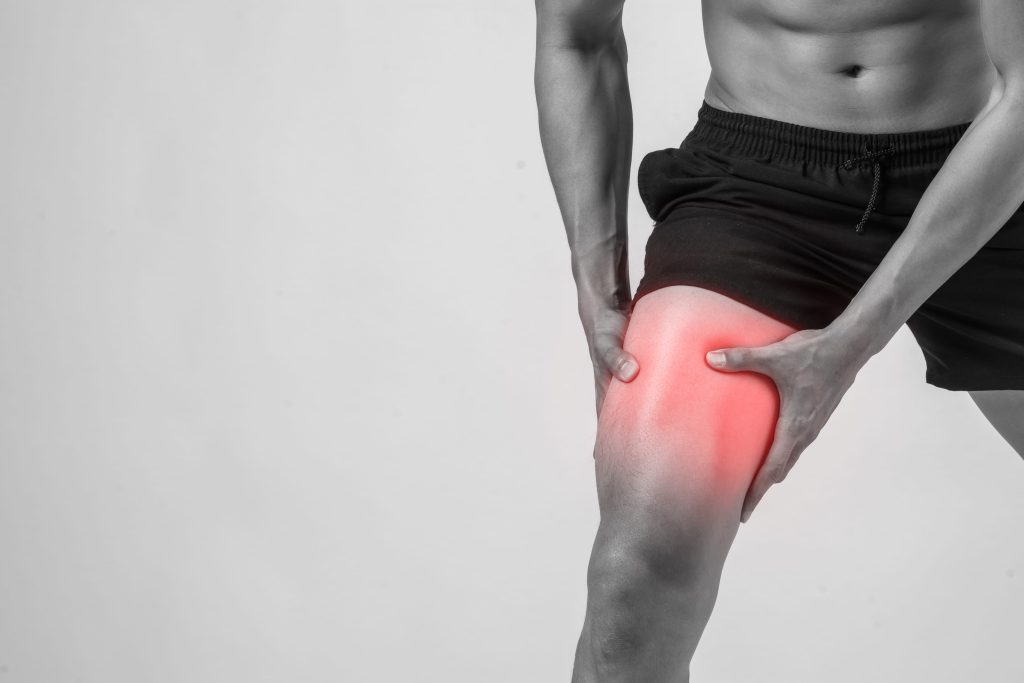
Inner Thigh Pain refers to discomfort felt along the inner portion of the thigh, an area primarily made up of the adductor muscle group. These muscles are responsible for stabilizing the hips and allowing movements such as bringing the legs together, maintaining balance, and supporting posture. When these muscles or surrounding tissues become strained, inflamed, or affected by other conditions, pain can occur.
The sensation of Inner Thigh Pain varies from person to person. Some may feel a pulling or tight sensation, while others experience sharp stabbing pain, burning, or even numbness. In certain cases, the pain may radiate to nearby areas such as the groin, hip, or knee, making it more difficult to pinpoint the exact source. Understanding the nature of the pain is essential in determining the correct treatment approach.
9 Shocking Causes
1. Muscle Strain
One of the most frequent causes of Inner Thigh Pain is a muscle strain, particularly involving the adductor muscles. This typically occurs when the muscle is overstretched or torn due to sudden movements such as sprinting, jumping, or quickly changing direction. Athletes and individuals who engage in high-intensity physical activities are especially at risk.
When a strain occurs, tiny muscle fibers are damaged, leading to inflammation, swelling, and pain. The discomfort is often immediate and can worsen with movement. In some cases, individuals may also experience weakness or difficulty bringing their legs together. Without proper rest and treatment, a mild strain can develop into chronic Inner Thigh Pain that persists for weeks or even months.
2. Groin Injuries
Groin injuries are closely related to Inner Thigh Pain because the groin region shares muscles and connective tissues with the inner thigh. These injuries often result from sudden twisting movements, overstretching, or improper physical techniques during sports or exercise.
What makes groin injuries particularly challenging is that they are often mistaken for minor muscle soreness. However, if left untreated, they can lead to ongoing instability in the hip and pelvis, which in turn contributes to persistent Inner Thigh Pain. Individuals with groin injuries may notice discomfort when walking, lifting the knee, or performing movements that involve hip rotation.
3. Nerve Compression
Another less obvious but important cause of Inner Thigh Pain is nerve compression. This condition often originates from the lower spine, where issues such as a slipped disc or spinal misalignment can place pressure on nerves that extend down into the thigh.
Unlike muscle-related pain, nerve-related Inner Thigh Pain often presents as a burning, tingling, or shooting sensation. It may also be accompanied by numbness or weakness in the leg. This type of pain can worsen with prolonged sitting or standing and may not respond well to conventional treatments like rest alone. Addressing the underlying nerve issue is crucial for long-term relief.
4. Hip Joint Problems
The hip joint plays a central role in body movement and stability, making it another potential source of Inner Thigh Pain. Conditions such as hip arthritis, labral tears, or joint inflammation can cause pain that radiates into the inner thigh.
This type of referred pain is often misunderstood because the discomfort is felt in the thigh rather than the hip itself. Individuals may experience stiffness, reduced range of motion, or deep aching pain that worsens during physical activity. Proper assessment is essential to identify whether the pain originates from the hip joint rather than the thigh muscles.
5. Hernia as an Overlooked Cause
An inguinal hernia is a condition where internal tissue pushes through a weak area in the abdominal wall, often resulting in pain that extends to the inner thigh. This is a more serious cause of Inner Thigh Pain that requires medical attention.
People with a hernia may notice a visible bulge in the groin area, along with discomfort that worsens when coughing, lifting, or straining. Unlike muscle injuries, a hernia does not heal on its own and may progressively worsen if left untreated. Recognizing the symptoms early can prevent complications and reduce the risk of severe Inner Thigh Pain.
6. Blood Circulation Issues and Inner Thigh Pain
Poor blood circulation or conditions such as deep vein thrombosis (DVT) can also lead to Inner Thigh Pain. This is a potentially life-threatening condition where a blood clot forms in a deep vein, usually in the leg.
The pain associated with DVT is often accompanied by swelling, warmth, and redness in the affected area. It is important to seek immediate medical attention if these symptoms occur, as untreated DVT can lead to serious complications. This type of Inner Thigh Pain should never be ignored or self-treated.
7. Pelvic Floor Dysfunction and Inner Thigh Pain
The pelvic floor muscles play an essential role in supporting internal organs and maintaining stability in the body. Dysfunction in these muscles can contribute to Inner Thigh Pain, particularly in women.
Because the pelvic floor is connected to the inner thigh muscles, tension or weakness in this area can lead to referred pain. Individuals may also experience lower back pain, hip discomfort, or difficulty with certain movements. Addressing pelvic floor dysfunction through targeted therapy can significantly reduce Inner Thigh Pain and improve overall function.
8. Overuse Injuries Leading to Inner Thigh Pain
Overuse injuries occur when repetitive movements place continuous stress on the muscles without allowing sufficient time for recovery. This is a common cause of Inner Thigh Pain among athletes, fitness enthusiasts, and individuals with physically demanding jobs.
Unlike sudden injuries, overuse-related Inner Thigh Pain develops gradually. It often begins as mild discomfort and worsens over time if the activity continues without proper rest. The muscles become inflamed and fatigued, leading to persistent pain and reduced performance. Early intervention is key to preventing long-term damage.
9. Referred Pain from Lower Back (Sciatica)
Lower back issues, particularly sciatica, can cause pain that radiates down into the inner thigh. This happens when the sciatic nerve becomes irritated or compressed, sending pain signals along its pathway.
Inner Thigh Pain caused by sciatica is often accompanied by additional symptoms such as numbness, tingling, or weakness in the leg. The pain may worsen with prolonged sitting or certain movements. Treating the underlying spinal issue is essential to resolving this type of pain effectively.
Effective Relief Methods for Inner Thigh Pain
Treating Inner Thigh Pain effectively requires more than simply reducing discomfort temporarily. Many people make the mistake of relying only on painkillers or rest without addressing the actual root cause of the problem. While temporary relief may help for a short period, the pain can easily return if the muscles, nerves, joints, or connective tissues are not treated properly.
The inner thigh area is connected to multiple structures in the body, including the hip joint, pelvic muscles, lower back, and nervous system. Because of this, successful treatment for Inner Thigh Pain should focus on reducing inflammation, improving circulation, restoring muscle balance, and correcting movement patterns. One of the most effective natural approaches for achieving these goals is acupuncture.
Acupuncture has been widely used for pain management and rehabilitation because it targets both the symptoms and the underlying causes of pain. When combined with physiotherapy, stretching, and proper lifestyle adjustments, acupuncture can significantly improve recovery and help prevent recurring Inner Thigh Pain.
How Acupuncture Helps Relieve Inner Thigh Pain
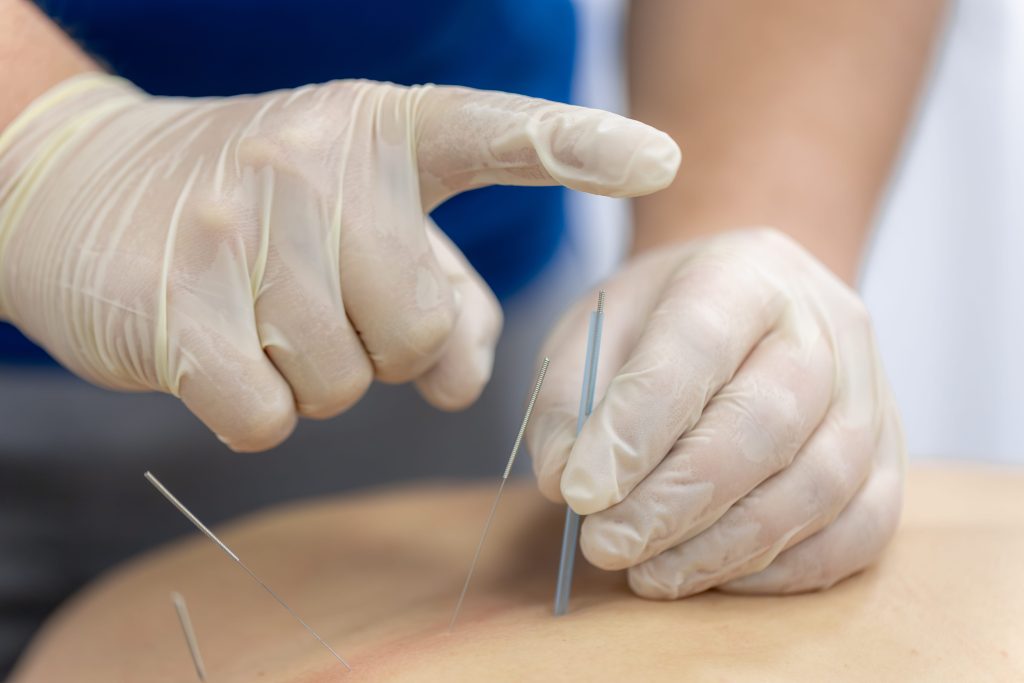
Acupuncture is a traditional treatment method that involves inserting very fine needles into specific points on the body. These points are selected based on the patient’s symptoms, body condition, and the source of the pain.
For Inner Thigh Pain, acupuncture works by stimulating the nervous system and encouraging the body’s natural healing response. It helps improve blood circulation to the affected muscles and tissues, which allows oxygen and nutrients to reach damaged areas more efficiently. At the same time, acupuncture reduces inflammation and relaxes tight muscles that may be contributing to the pain.
Another important benefit of acupuncture is its ability to stimulate the release of endorphins. Endorphins are natural chemicals produced by the body that help reduce pain and create a sense of relaxation. This makes acupuncture especially helpful for individuals suffering from chronic Inner Thigh Pain or muscle tension caused by stress and overuse.
Unlike invasive procedures or long-term medication use, acupuncture provides a more natural and holistic solution that supports the body’s own recovery process.
Acupuncture for Muscle Strain-Related Inner Thigh Pain
Muscle strain is one of the most common causes of Inner Thigh Pain, especially among athletes and active individuals. When the adductor muscles are overstretched or torn, inflammation and muscle tightness occur, resulting in pain and reduced mobility.
Acupuncture helps relieve this type of Inner Thigh Pain by improving blood flow around the injured muscles. Increased circulation helps remove waste products and reduces swelling in the affected area. At the same time, the treatment relaxes muscle spasms and decreases tension, allowing the muscles to heal more effectively.
Patients who receive acupuncture for muscle strain often report:
- Reduced pain intensity
- Improved flexibility
- Faster recovery time
- Better muscle relaxation
This makes acupuncture an excellent option for individuals who want to return to their normal activities safely and naturally.
Acupuncture for Nerve-Related Inner Thigh Pain
Some cases of Inner Thigh Pain are caused by nerve irritation or compression, particularly from the lower back or pelvic region. This type of pain is often accompanied by burning sensations, tingling, numbness, or weakness in the leg.
Acupuncture can help calm irritated nerves and reduce pressure around surrounding muscles and tissues. By improving circulation and relaxing tight muscle groups, the treatment reduces stress on the nerves and helps restore proper nerve function.
In many cases, acupuncture also helps improve sleep quality and reduce stress levels, both of which are important for individuals dealing with chronic nerve-related Inner Thigh Pain. Consistent treatment may gradually decrease pain intensity and improve overall movement and function.
Acupuncture for Hip and Pelvic Imbalance
Hip joint dysfunction and pelvic imbalance are often overlooked causes of Inner Thigh Pain. When the hips are not properly aligned or when surrounding muscles become tight and weak, extra stress is placed on the inner thigh muscles.
Acupuncture helps by reducing muscle tightness around the hips and pelvis while improving blood circulation in the affected areas. This creates better muscle balance and allows the body to move more naturally without excessive strain on the inner thigh region.
Patients with hip-related Inner Thigh Pain may notice improvements such as:
- Better posture
- Increased mobility
- Reduced stiffness
- Improved walking comfort
When combined with physiotherapy and strengthening exercises, acupuncture can play a major role in correcting these imbalances long term.
Acupuncture for Chronic Inner Thigh Pain
Chronic Inner Thigh Pain can significantly affect daily life, especially when it persists for weeks or months. Long-term pain often causes the muscles to become constantly tight and sensitive, which may lead to stress, poor sleep, and emotional fatigue.
Acupuncture is highly beneficial for chronic pain because it promotes deep muscle relaxation and helps regulate the nervous system. Many individuals with chronic Inner Thigh Pain experience reduced pain levels and improved quality of life after several sessions.
The treatment not only focuses on the painful area but also addresses related body imbalances that may be contributing to the condition. This holistic approach helps create longer-lasting relief compared to treatments that only focus on symptoms.
How Many Acupuncture Sessions Are Needed?
The number of acupuncture sessions required for Inner Thigh Pain varies depending on the severity and cause of the condition. Some individuals experience improvement after just a few sessions, while chronic conditions may require ongoing treatment over several weeks.
Factors that influence recovery include:
- Duration of the pain
- Severity of the injury
- Overall health condition
- Lifestyle habits
A professional assessment is important to determine the most suitable treatment plan for each individual.
Why Choose Acupuncture for Inner Thigh Pain?
Many people choose acupuncture for Inner Thigh Pain because it offers a natural, non-invasive, and drug-free approach to recovery. Unlike temporary pain relief methods, acupuncture aims to support long-term healing by improving the body’s natural recovery mechanisms.
Some of the key advantages include:
- Minimal side effects
- Improved circulation
- Reduced inflammation
- Muscle relaxation
- Better overall wellness
As more people seek holistic approaches to pain management, acupuncture continues to gain recognition as an effective treatment for Inner Thigh Pain and other musculoskeletal conditions.
Conclusion
Inner Thigh Pain can interfere with movement, exercise, work, and daily activities if left untreated. Because the condition may involve muscles, nerves, joints, or pelvic imbalances, choosing the right treatment approach is essential for achieving long-term recovery and preventing recurring pain.
Acupuncture provides a safe, natural, and effective solution by helping to reduce inflammation, improve blood circulation, relax tight muscles, and stimulate the body’s natural healing response. Whether the pain is caused by muscle strain, nerve compression, overuse injuries, or chronic tension, acupuncture can play an important role in relieving Inner Thigh Pain and restoring mobility.
If you are experiencing persistent Inner Thigh Pain, do not ignore the symptoms or wait until the condition becomes worse. Early treatment can help speed up recovery and improve your quality of life. Visit your nearest Iswanah Acupuncture clinic today to get professional assessment and personalized acupuncture treatment tailored to your condition. Our experienced team is ready to help you move comfortably and confidently again.