

Introduction
Minor Stroke Symptoms should never be ignored, even if they disappear within a few minutes or hours. Many people mistakenly believe that a “minor stroke” is harmless because the symptoms are temporary. However, experiencing a minor stroke, also known as a transient ischemic attack (TIA), is often a serious warning that a major stroke may occur in the near future if proper medical attention is not sought immediately.
According to healthcare experts, approximately one in three people who experience a transient ischemic attack may later suffer a full stroke, with many cases occurring within days or weeks. Recognizing the warning signs early can significantly improve treatment outcomes and reduce the risk of permanent disability.
While emergency medical treatment remains the first and most important step, many stroke survivors also seek complementary therapies to support their recovery. One such approach is acupuncture, which has been increasingly explored for its potential to improve rehabilitation by supporting muscle function, circulation, pain management, and overall quality of life when combined with conventional medical care.
In this article, you will learn about the most common minor stroke symptoms, their causes, risk factors, diagnosis, treatment options, and how acupuncture may play a supportive role during the recovery process.
What Is a Minor Stroke?
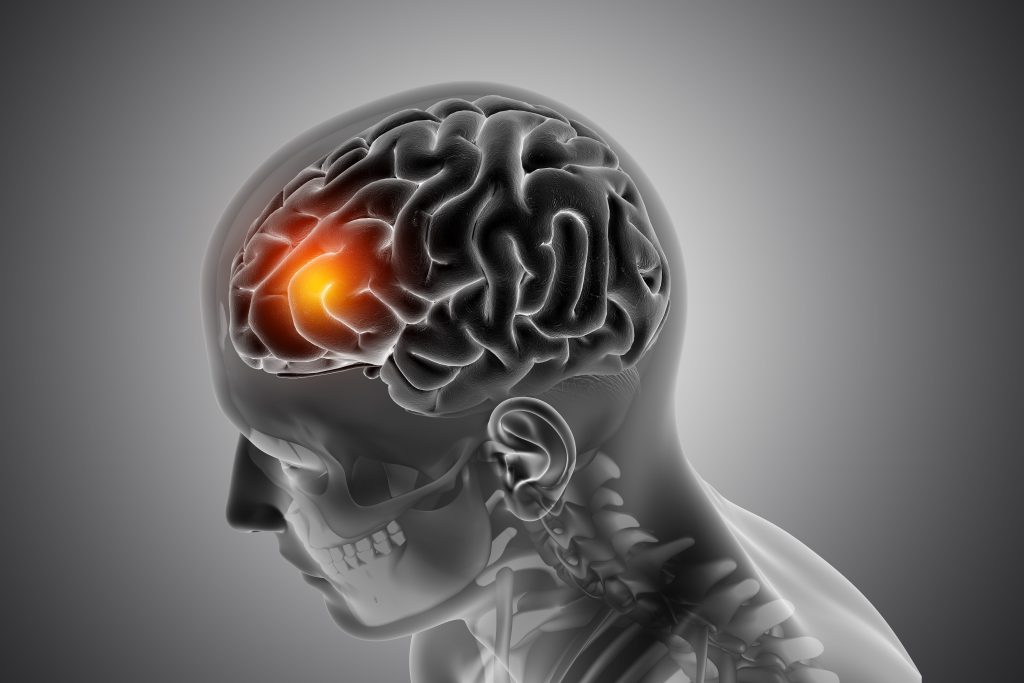
A minor stroke, medically known as a Transient Ischemic Attack (TIA), occurs when blood flow to part of the brain is temporarily interrupted. Unlike a major stroke, the blockage usually resolves quickly, causing minor stroke symptoms that often disappear within a few minutes or within 24 hours.
Although minor stroke symptoms may improve on their own, a TIA should never be dismissed. It serves as an important warning sign that blood circulation to the brain has already been compromised.
Think of a TIA as your body’s “early alarm system.” Ignoring it can dramatically increase the likelihood of experiencing a major ischemic stroke, which may lead to permanent brain damage, paralysis, speech impairment, or even death.
Because the minor stroke symptoms often disappear, many people delay seeking medical attention. Unfortunately, this delay can reduce the opportunity for early intervention and prevention.
Why Early Recognition Matters
The brain depends on a continuous supply of oxygen-rich blood. Even a brief interruption can affect brain cells and neurological function.
Immediate medical evaluation allows doctors to:
- Identify the cause of the blockage
- Assess stroke risk
- Prescribe preventive medications
- Recommend lifestyle modifications
- Prevent future strokes
The sooner treatment begins, the greater the chances of avoiding long-term complications.
10 Critical Minor Stroke Symptoms You Should Never Ignore
1. Sudden Weakness or Numbness on One Side of the Body
One of the most recognizable minor stroke symptoms is sudden weakness affecting one side of the body.
You may notice:
- Arm weakness
- Leg weakness
- Facial numbness
- Difficulty lifting one arm
- Loss of grip strength
This occurs because the affected side of the brain controls movement on the opposite side of the body.
Even if strength returns within minutes, medical evaluation is essential.
2. Facial Drooping
Facial drooping is often one of the earliest visible signs.
Symptoms include:
- Uneven smile
- One side of the mouth droops
- Difficulty controlling facial muscles
- Drooping eyelid
Friends or family members may notice facial asymmetry before the individual realizes something is wrong.
This symptom forms part of the widely recognized FAST stroke assessment.
3. Sudden Difficulty Speaking
Speech problems may develop suddenly.
Examples include:
- Slurred speech
- Difficulty pronouncing words
- Unable to complete sentences
- Confusion while talking
- Difficulty understanding conversations
Some individuals know exactly what they want to say but cannot express the words properly.
Speech impairment should always be treated as a medical emergency.
4. Temporary Vision Problems
Changes in vision may affect one or both eyes.
Common symptoms include:
- Blurred vision
- Double vision
- Temporary blindness
- Loss of peripheral vision
- Difficulty focusing
Vision changes often resolve quickly, leading many people to underestimate their seriousness.
5. Sudden Loss of Balance or Coordination
A minor stroke may affect areas of the brain responsible for movement and coordination.
You may experience:
- Difficulty walking
- Frequent stumbling
- Feeling unsteady
- Poor coordination
- Loss of balance
Some people describe it as feeling “drunk” despite not consuming alcohol.
6. Sudden Severe Dizziness
While dizziness has many possible causes, sudden dizziness accompanied by other neurological symptoms should never be ignored.
Signs include:
- Vertigo
- Spinning sensation
- Difficulty standing
- Nausea
- Vomiting
Persistent dizziness alongside weakness or speech problems requires immediate medical assessment.
7. Sudden Confusion
Confusion is another important warning sign.
Individuals may:
- Forget familiar names
- Become disoriented
- Have difficulty following conversations
- Experience memory lapses
- Struggle to answer simple questions
Because confusion can have many causes, healthcare professionals will perform neurological assessments to determine whether a stroke is responsible.
8. Severe Headache Without an Obvious Cause

Although more commonly associated with hemorrhagic stroke, some people experiencing a TIA report a sudden severe headache.
The headache may:
- Develop rapidly
- Feel different from previous headaches
- Occur with dizziness
- Be accompanied by visual disturbances
Never assume a sudden severe headache is simply a migraine without medical evaluation.
9. Difficulty Swallowing
Damage affecting specific areas of the brain may interfere with swallowing muscles.
Symptoms include:
- Choking while eating
- Difficulty swallowing liquids
- Feeling food gets stuck
- Frequent coughing during meals
Early assessment helps prevent complications such as aspiration pneumonia.
10. Sudden Fatigue or Unexplained Exhaustion
Some individuals report overwhelming fatigue before or after a transient ischemic attack.
This fatigue may:
- Appear suddenly
- Occur without physical exertion
- Be accompanied by brain fog
- Persist even after symptoms improve
Although fatigue alone does not confirm a stroke, it should not be ignored when combined with other neurological symptoms.
Remember the FAST Test
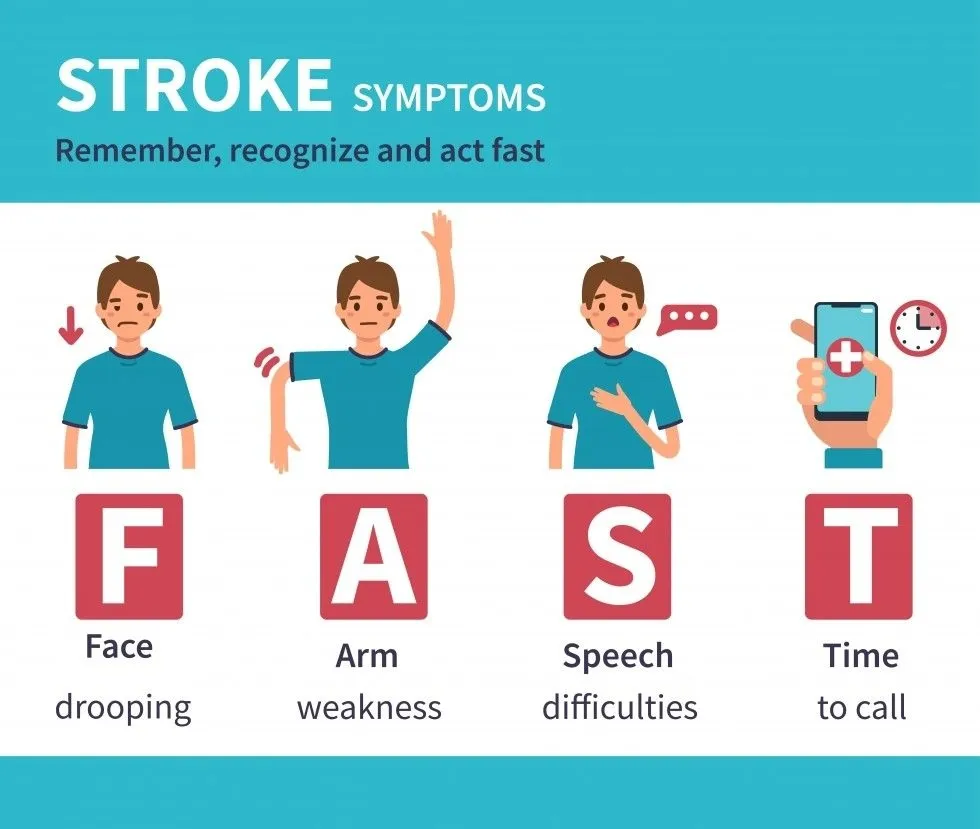
Healthcare professionals encourage everyone to remember the FAST method:
F – Face: Ask the person to smile.
A – Arms: Ask them to raise both arms.
S – Speech: Listen for slurred or unusual speech.
T – Time: Call emergency medical services immediately if any of these signs appear.
Even if minor stroke symptoms disappear, urgent medical assessment remains necessary because the risk of a major stroke is highest during the first 48 hours following a transient ischemic attack.
What Causes a Minor Stroke?
A transient ischemic attack occurs when blood flow to the brain is temporarily reduced, usually due to a small blood clot or narrowing of the arteries. This interruption deprives brain cells of oxygen and nutrients, causing temporary neurological symptoms.
Common causes include:
- Atherosclerosis (narrowing of the arteries)
- Small blood clots
- Irregular heart rhythm (such as atrial fibrillation)
- High blood pressure
- Diabetes
- High cholesterol
- Smoking
- Obesity
- Physical inactivity
Many of these causes are preventable or manageable through early medical intervention and healthy lifestyle changes.
Who Is at Higher Risk?
Certain individuals have a greater likelihood of experiencing a transient ischemic attack or stroke. Risk increases with age, but younger adults can also be affected.
Major risk factors include:
- Age over 55
- High blood pressure
- Diabetes
- High cholesterol
- Heart disease
- Smoking
- Excessive alcohol consumption
- Obesity
- Sedentary lifestyle
- Family history of stroke
Managing these risk factors through regular health check-ups, medication, exercise, and a balanced diet can significantly reduce the likelihood of future strokes.
Conclusion
Recognizing minor stroke symptoms early can make a life-changing difference. Although the minor stroke symptoms of a transient ischemic attack (TIA) may disappear within minutes or hours, they should never be ignored, as they can be an early warning sign of a more serious stroke in the future. Seeking immediate medical attention is essential to receive an accurate diagnosis, appropriate treatment, and reduce the risk of long-term complications.
Once your condition has been assessed and managed by your doctor, rehabilitation plays a vital role in supporting recovery. Alongside conventional medical care, acupuncture may help improve muscle function, reduce pain and stiffness, enhance blood circulation, and support overall recovery for some stroke survivors.
If you or your loved one is recovering from a minor stroke and looking for supportive rehabilitation, visit your nearest Iswanah Acupuncture & Physiotherapy branch. Our experienced practitioners provide personalized acupuncture and physiotherapy treatment plans tailored to each individual’s recovery journey. Early rehabilitation may help you regain confidence, improve mobility, and enhance your quality of life.
Book your consultation today at your nearest Iswanah branch and take the next step towards a healthier recovery.